Why Surface Treatment Matters Before Screen Printing on Plastic Products
Understanding flame and plasma treatment technologies to improve ink adhesion, print durability, and production stability for plastic packaging manufacturers.
Why Surface Treatment Matters
In plastic packaging decoration, achieving a high-quality screen printing result is not only about the printing machine, ink, or curing process.
For many low surface energy materials such as polypropylene (PP), polyethylene (PE), and high-density polyethylene (HDPE), the plastic surface naturally has poor ink adhesion. Without proper surface activation, printed graphics may suffer from adhesion problems, inconsistent quality, or reduced durability during production and use.
That is why many automated screen printing lines integrate surface treatment systems before printing, especially:
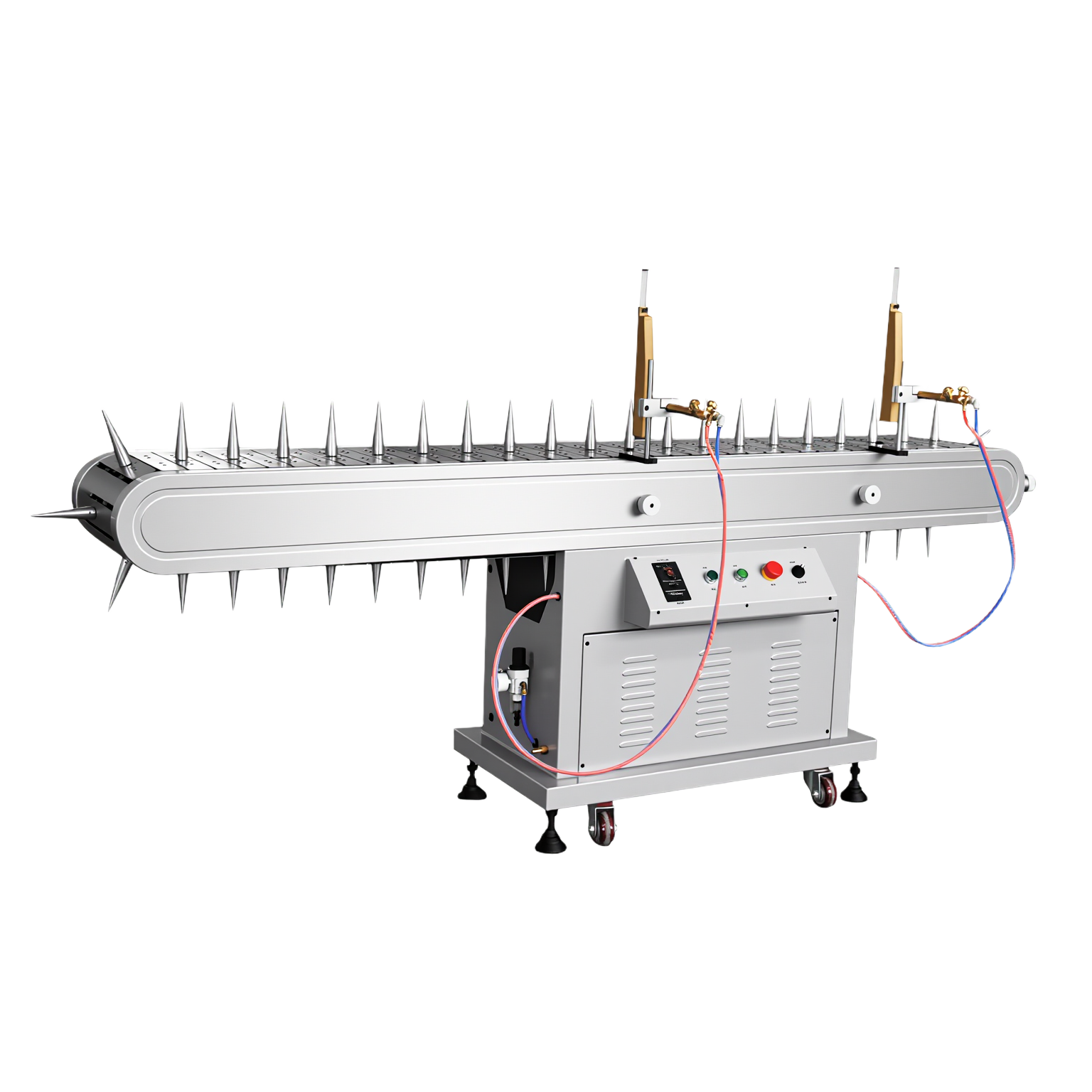
Flame Treatment
A high-speed industrial surface activation solution for automated packaging decoration lines.
Plasma Treatment
A precise surface activation method for controlled production environments.
What Does Surface Treatment Do Before Screen Printing?
Plastic materials usually have relatively low surface energy, which prevents ink from spreading and bonding effectively.
Surface activation processes improve printing performance by:
Removing Surface Contamination
Increasing Surface Energy
Improving Surface Wettability
Enhancing Ink Adhesion
Flame Treatment for Screen Printing: A High-Speed Industrial Solution
How Does Flame Treatment Work?
Flame treatment uses a controlled gas flame to activate the surface of plastic products.
The heat and reactive components generated during combustion modify the surface characteristics of the material, increasing surface energy and improving ink adhesion.
Flame treatment has been widely used in high-speed printing applications because it offers:
01 — High Processing Speed
Flame systems can treat products continuously during automated production, making them suitable for high-output packaging decoration lines.
02 — Good Adaptability for Complex Shapes
Many plastic products have curved or irregular surfaces, including:
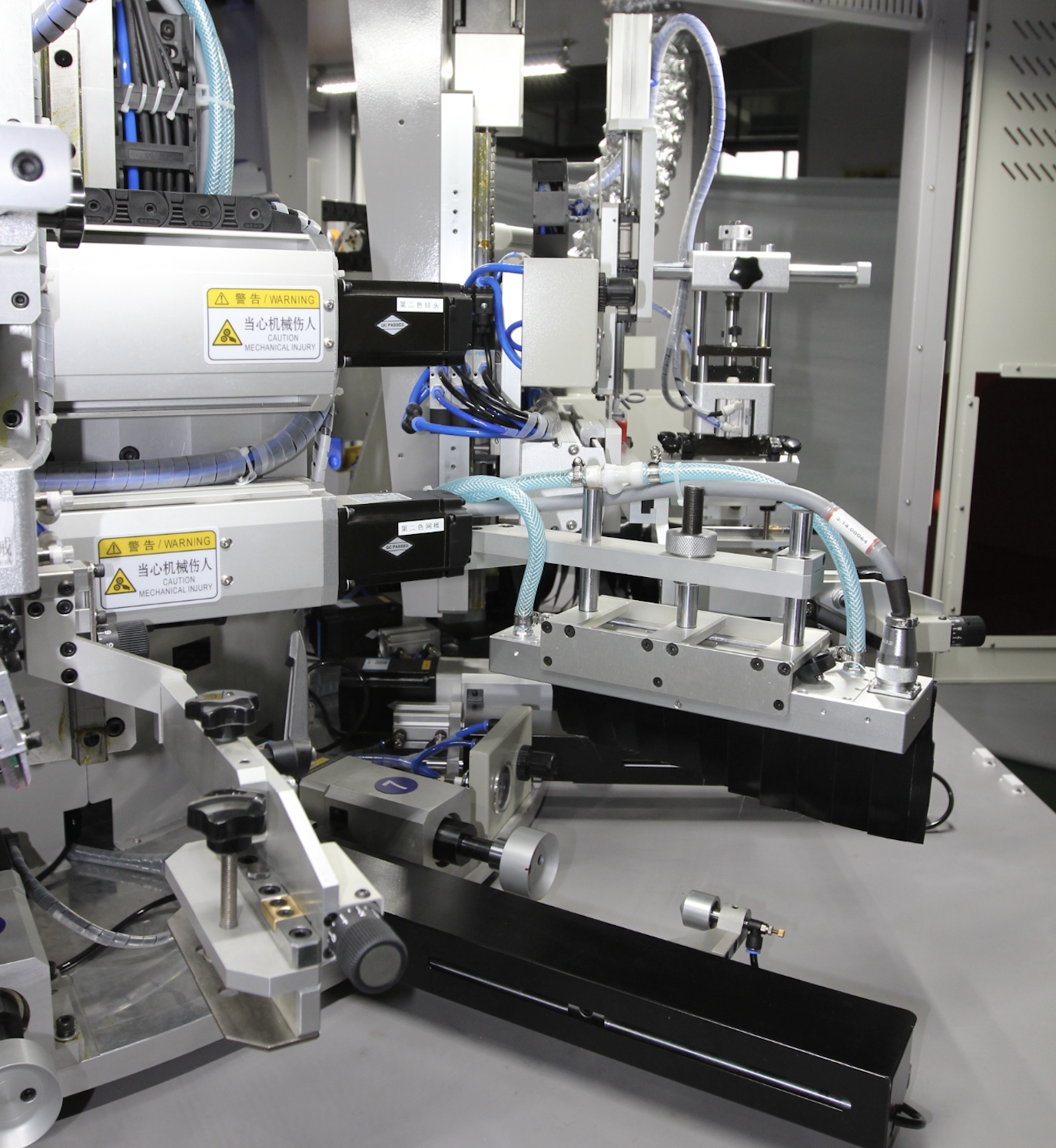
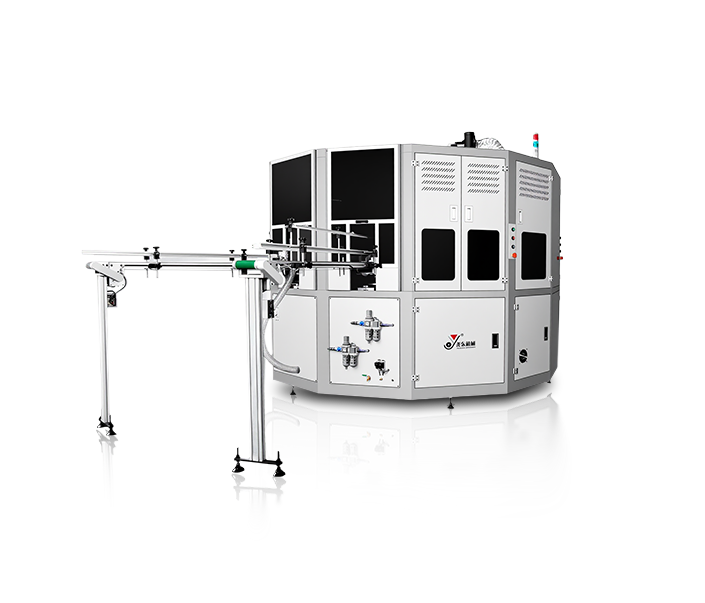
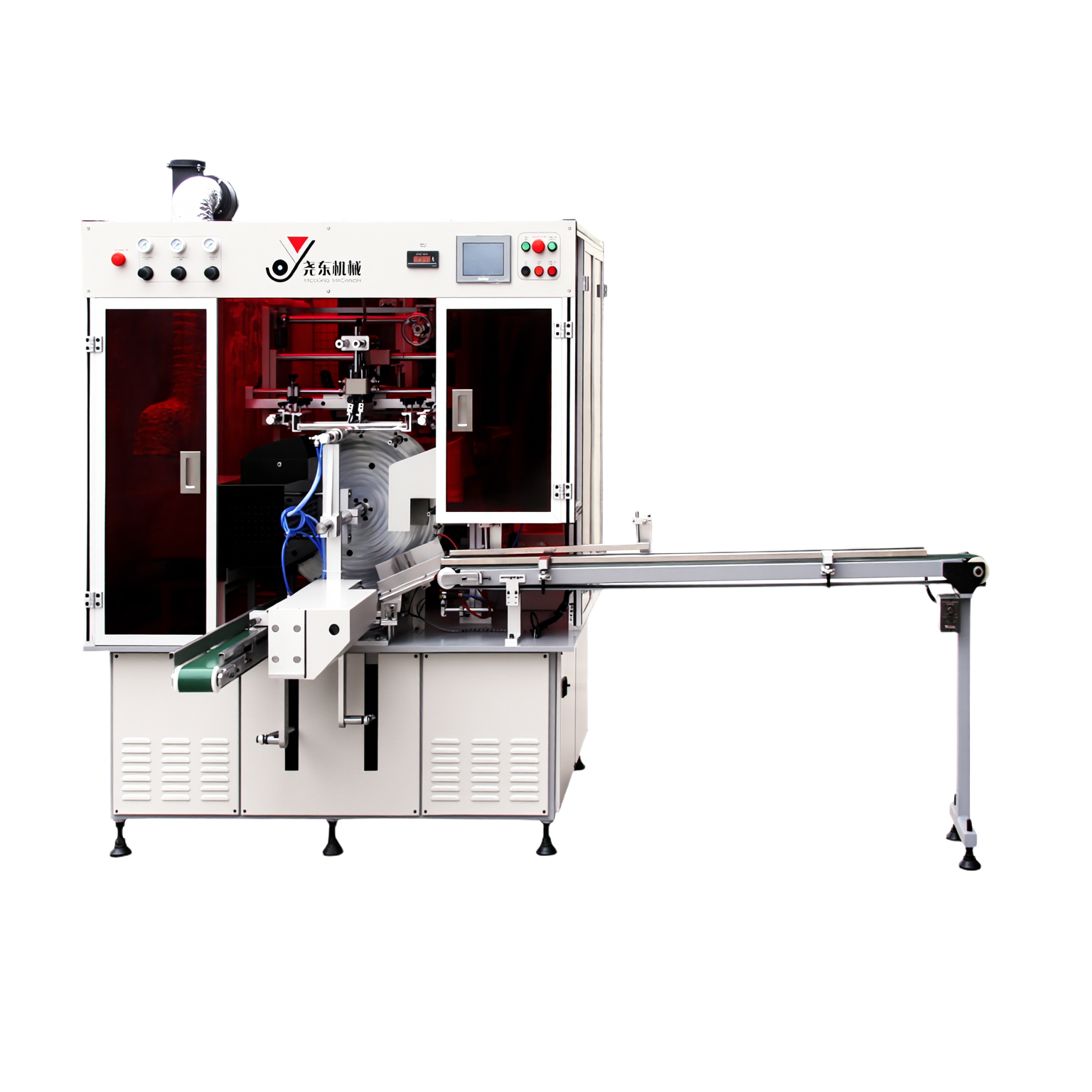
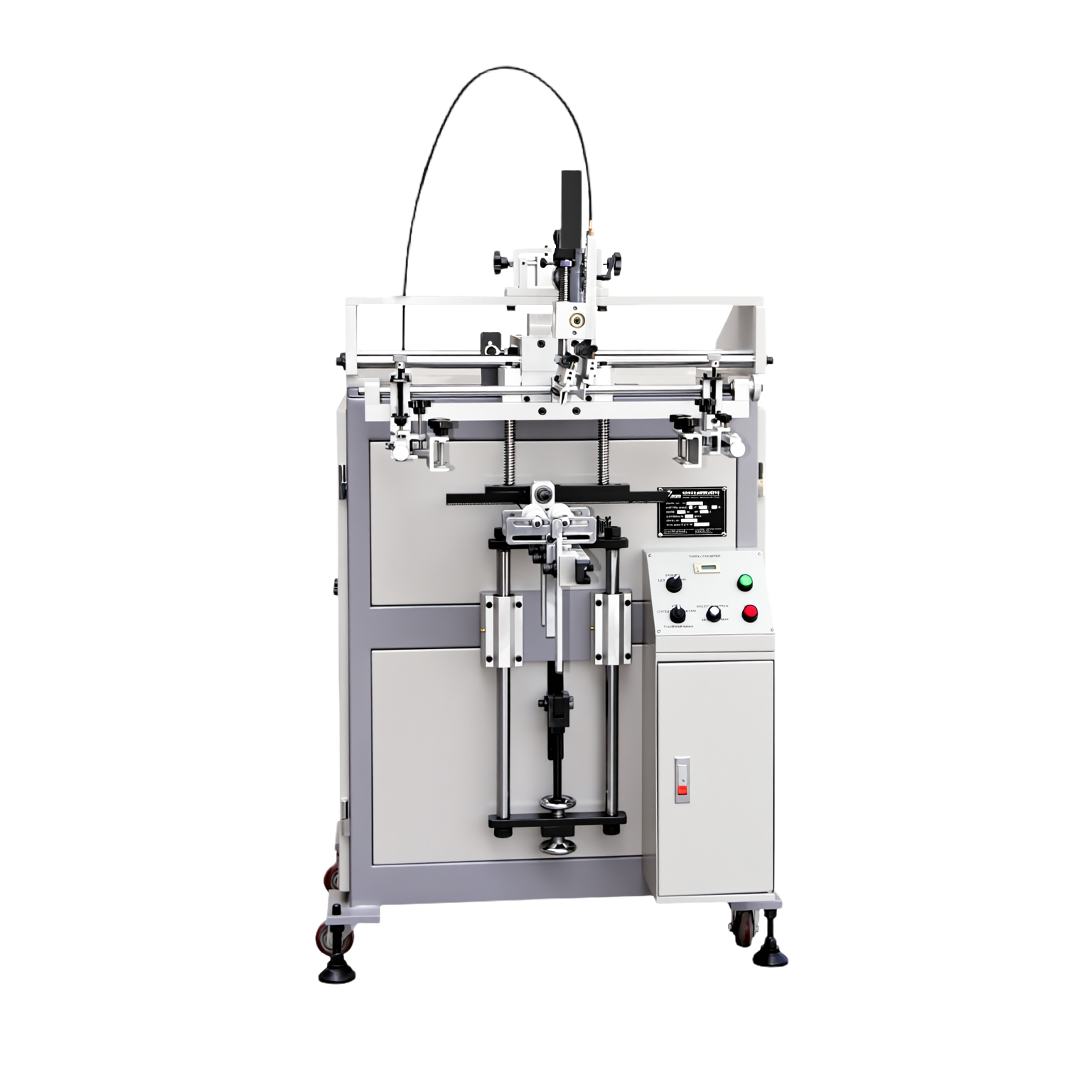
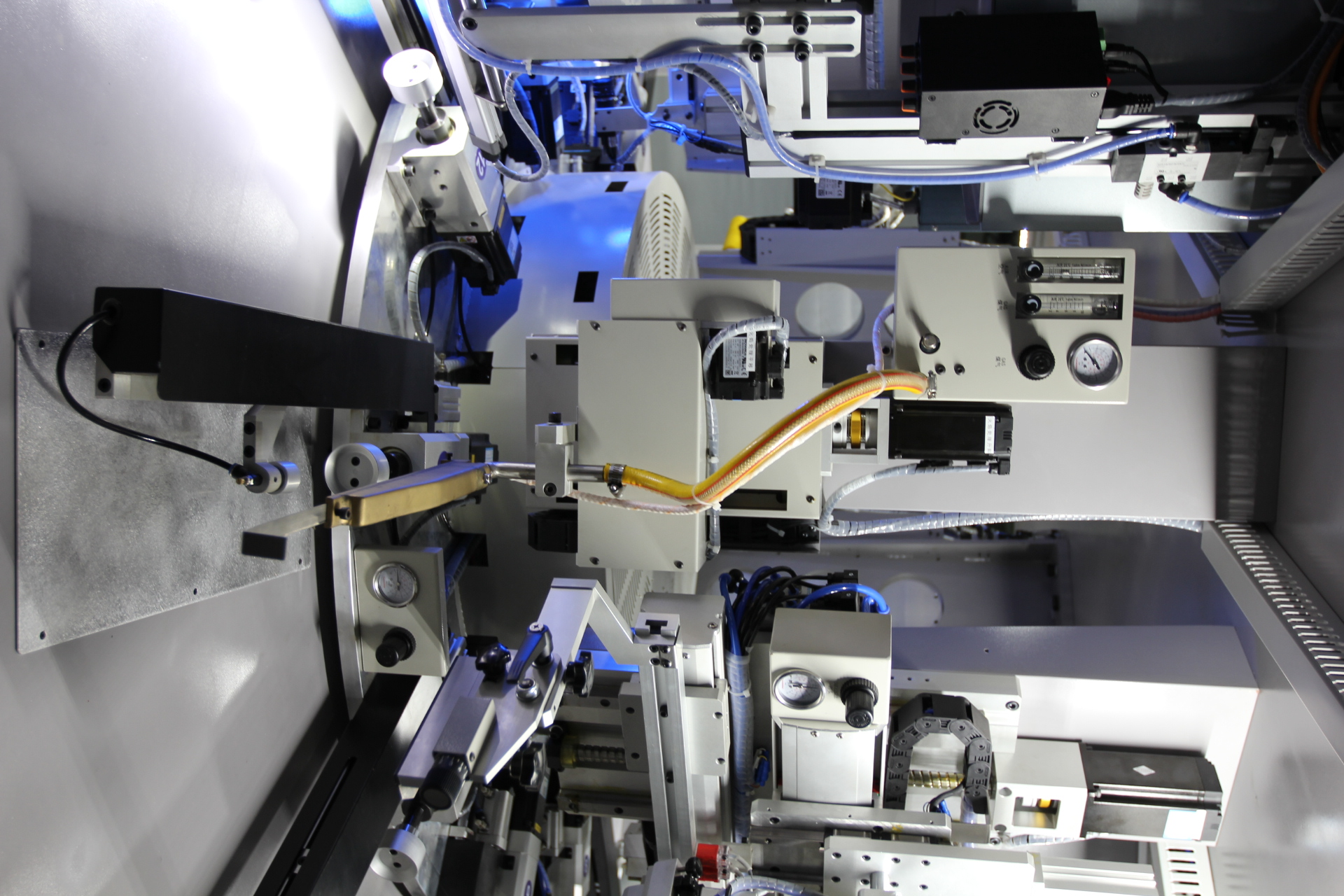
Flame treatment can be integrated into rotary screen printing machines to process these products before printing.
03 — Mature Industrial Application
Because of its long history in plastic processing, flame treatment remains a common solution in many automated printing production lines.
However, flame treatment also requires careful control of:
Incorrect settings may affect treatment consistency or product quality.
Plasma Treatment for Screen Printing: Precise Surface Activation
How Does Plasma Treatment Work?
Plasma treatment uses ionized gas to activate the material surface.
Compared with flame treatment, plasma is a lower-temperature process and provides precise control of treatment parameters.
01 — Suitable for Heat-Sensitive Materials
Because plasma treatment operates without direct flame contact, it can be considered for applications where thermal impact needs to be minimized.
02 — Precise Process Control
Plasma systems allow adjustment of parameters such as:
- Power level
- Treatment speed
- Gas conditions
- Distance between nozzle and substrate
This helps manufacturers achieve consistent surface activation in controlled production environments.
03 — Clean Processing Method
Plasma treatment does not require combustion fuel, which makes it attractive for certain applications requiring controlled processing conditions.
However, plasma systems also require proper configuration. Treatment area, equipment setup, and production speed must be considered when selecting a plasma solution.
Flame Treatment vs Plasma Treatment: Key Differences
| Comparison | 🔥 Flame Treatment | ⚡ Plasma Treatment |
|---|---|---|
| Activation Method | Controlled flame | Ionized gas plasma |
| Temperature Influence | Higher thermal impact | Lower thermal impact |
| Production Speed | Suitable for high-speed continuous lines | Depends on system configuration |
| Shape Adaptability | Excellent for curved and irregular products | Depends on nozzle arrangement |
| Process Control | Requires flame parameter adjustment | Precise parameter control |
| Common Applications | Bottles, containers, packaging products | Precision applications and heat-sensitive materials |
Actual performance depends on material type, equipment configuration, process parameters, and production conditions.
How to Verify Surface Treatment Performance Before Printing?
Surface activation should not be judged only by appearance.
Manufacturers usually evaluate treatment effectiveness through practical testing methods.
01 — Dyne Test
Dyne pens or testing inks are commonly used to evaluate surface energy.
The required dyne level depends on:
- Plastic material
- Ink system
- Printing requirements
There is no universal value suitable for every application.
02 — Wettability Test
A properly activated surface allows liquid ink or testing fluid to spread evenly.
Poor activation may show:
- Beading
- Uneven spreading
- Poor wetting behavior
03 — Adhesion Testing
Common evaluation methods include:
- Cross-cut adhesion testing
- Tape testing
Testing standards may include:
- ASTM D3359
- ISO 2409
The applicable standard depends on the customer's quality requirements and industry.
How Should Manufacturers Choose Between Flame and Plasma?
The correct choice depends on several engineering factors:
Material
Different plastics respond differently to surface activation.
Product Shape
Curved surfaces, rotational movement, and complex geometries require proper integration.
Production Requirements
Speed, consistency, installation space, maintenance, and quality standards.
Ink System
Ink formulation has a significant influence on adhesion performance.
Surface Treatment Integration in Automatic Screen Printing Lines
Modern packaging decoration lines increasingly combine:
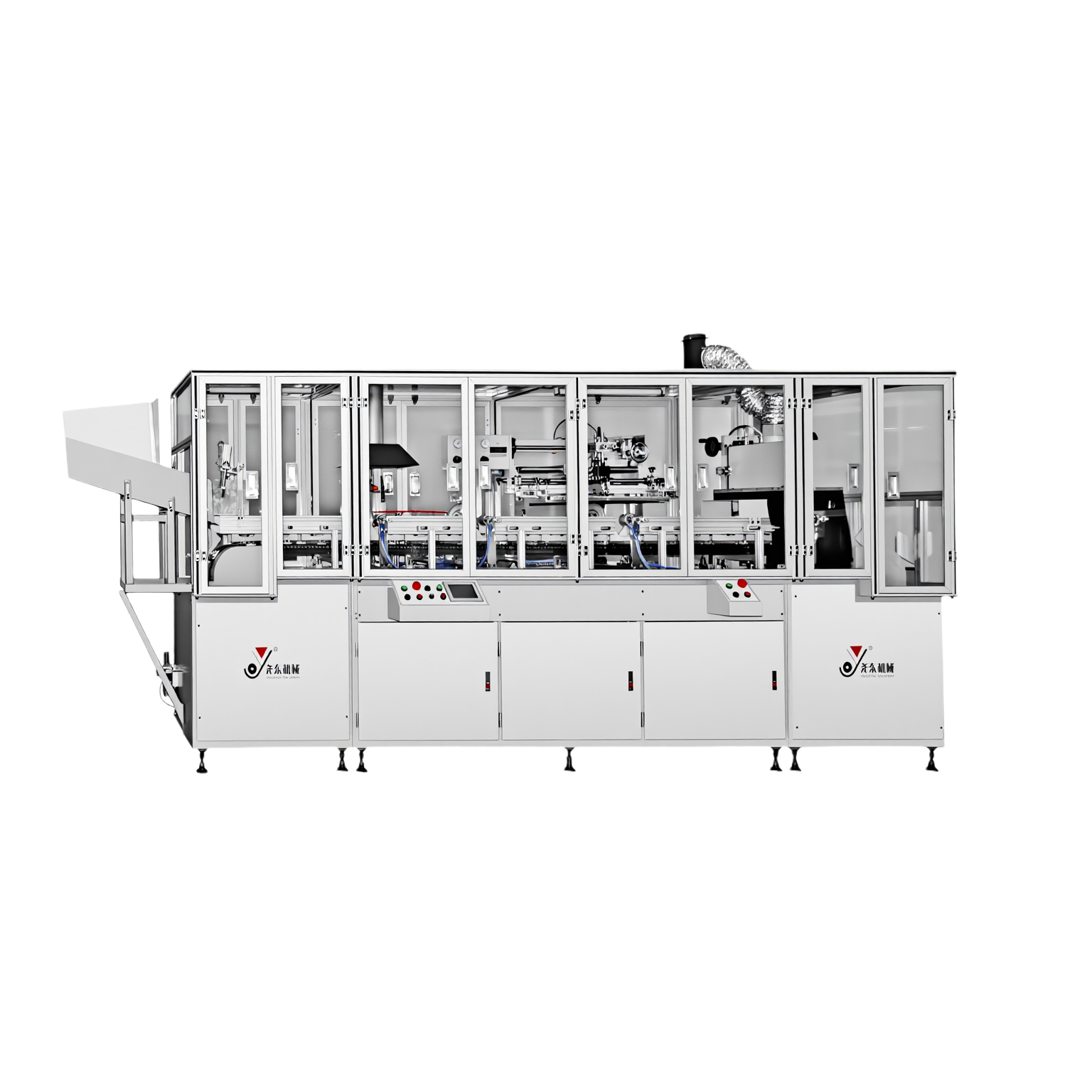
The purpose is not simply to add more technology, but to create a stable production process where each step supports the next.
Surface Activation Integrated with Screen Printing Solutions
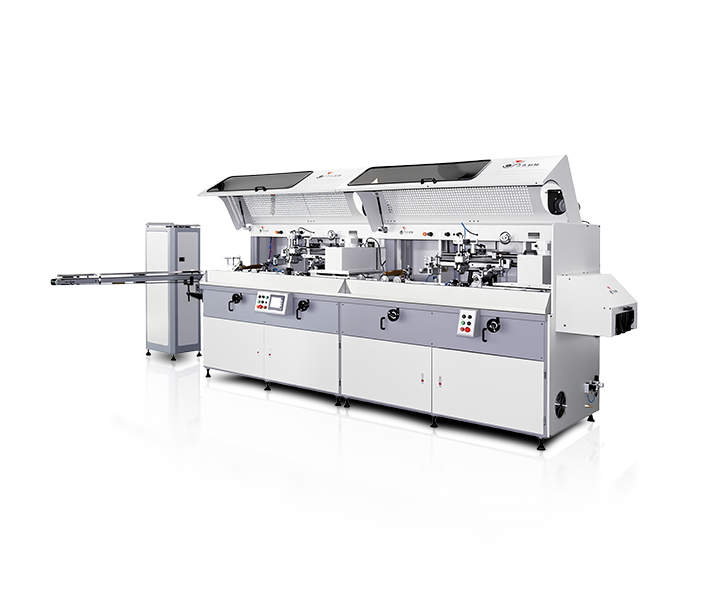
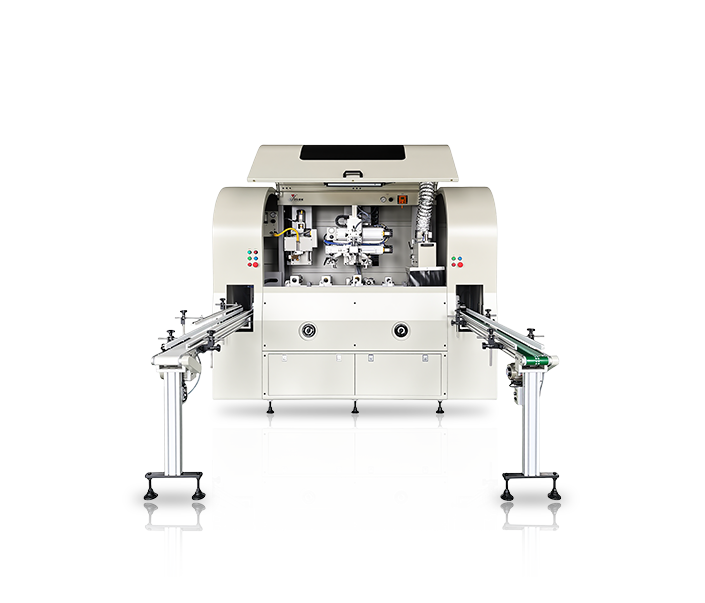
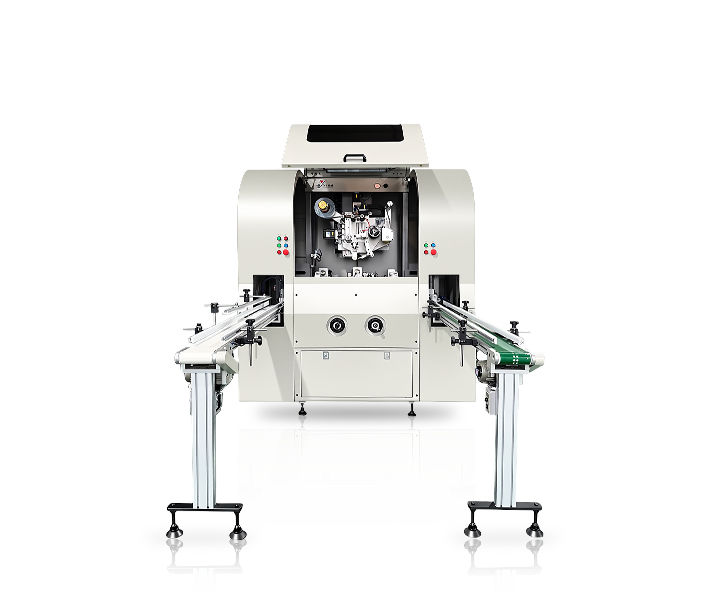
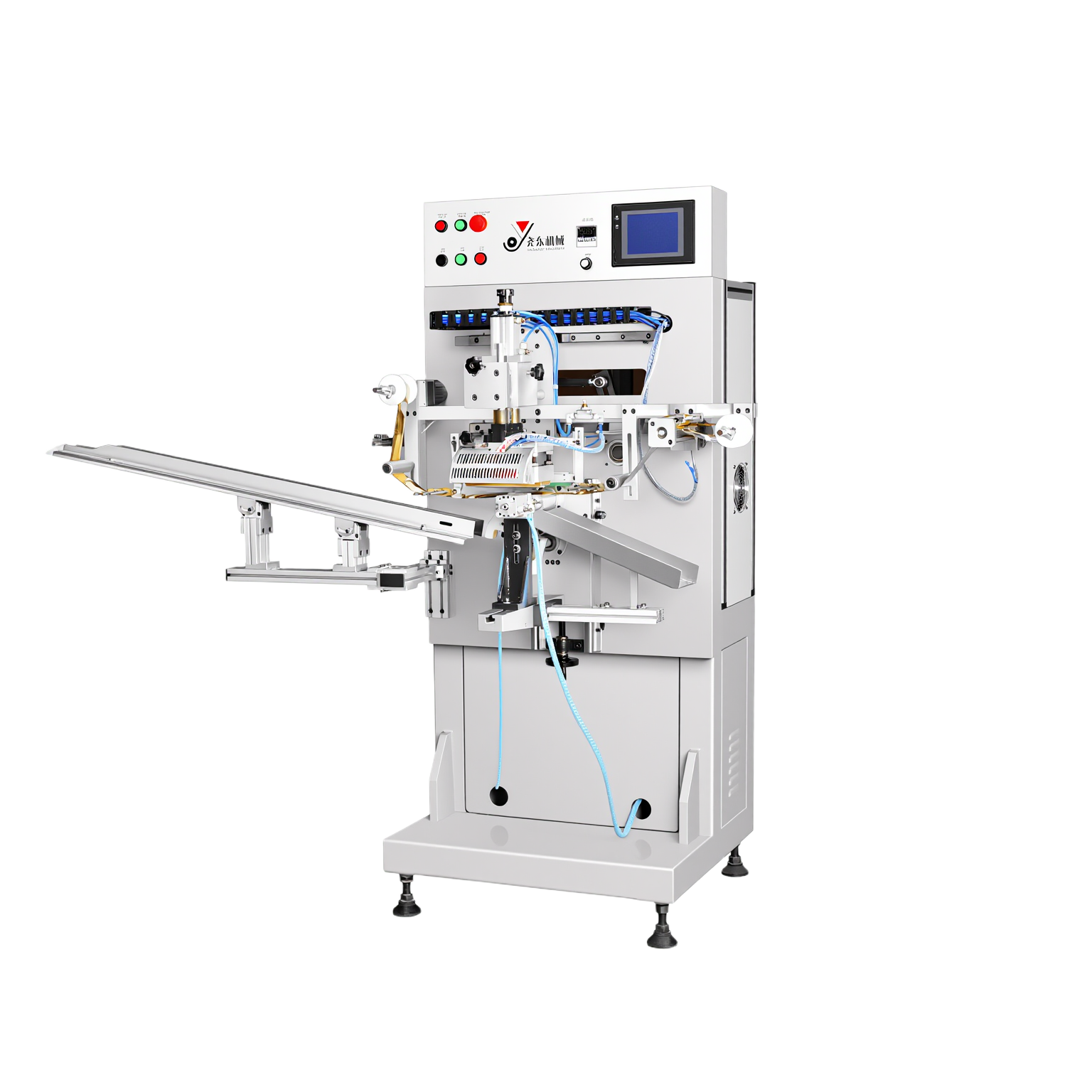
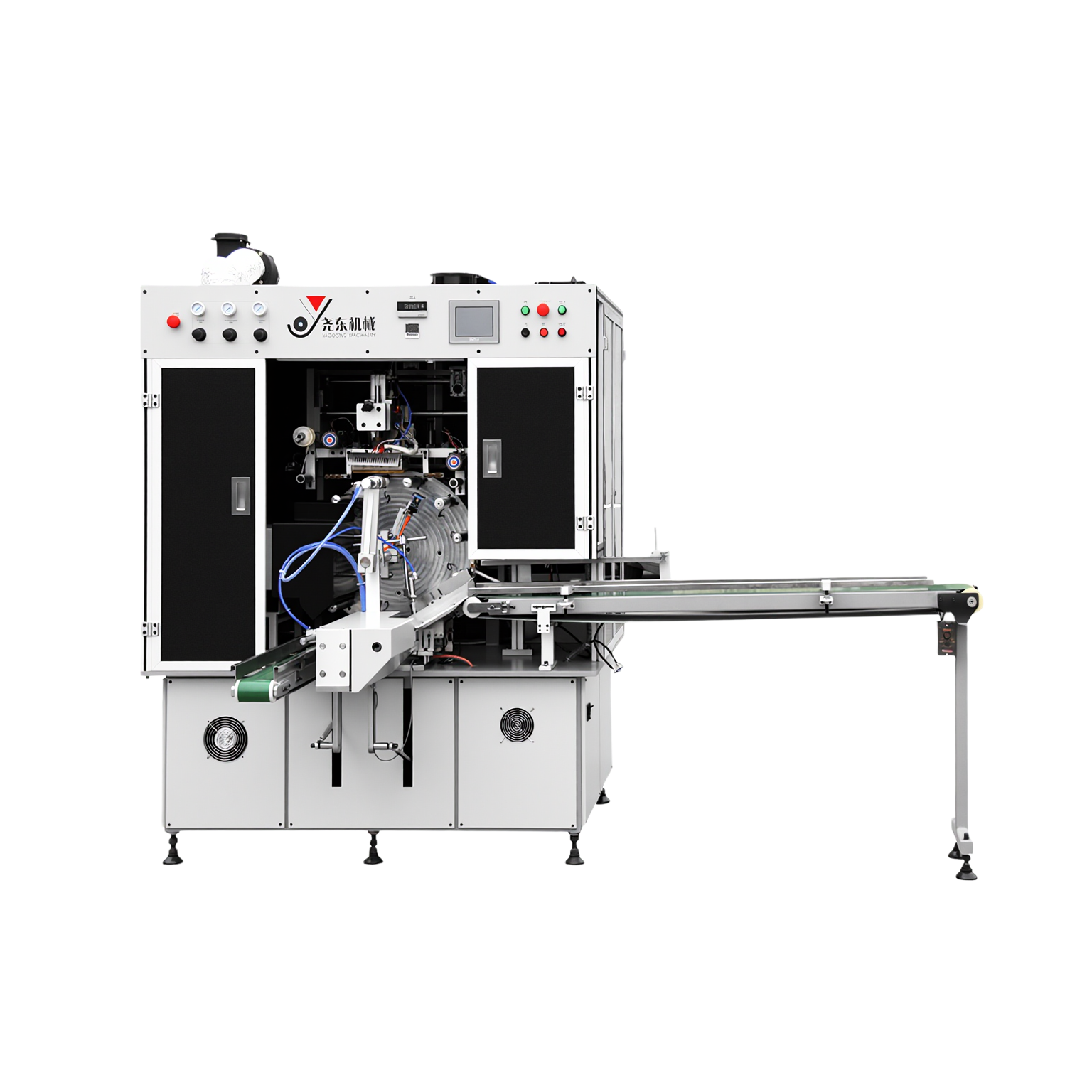
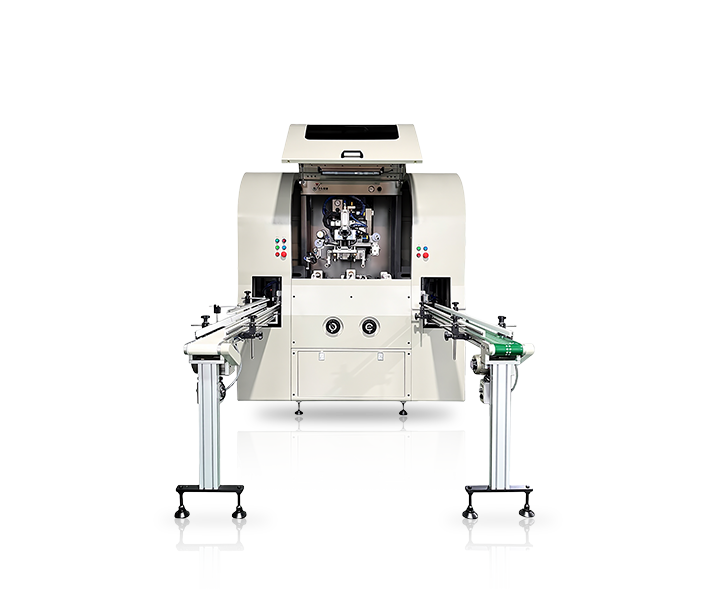
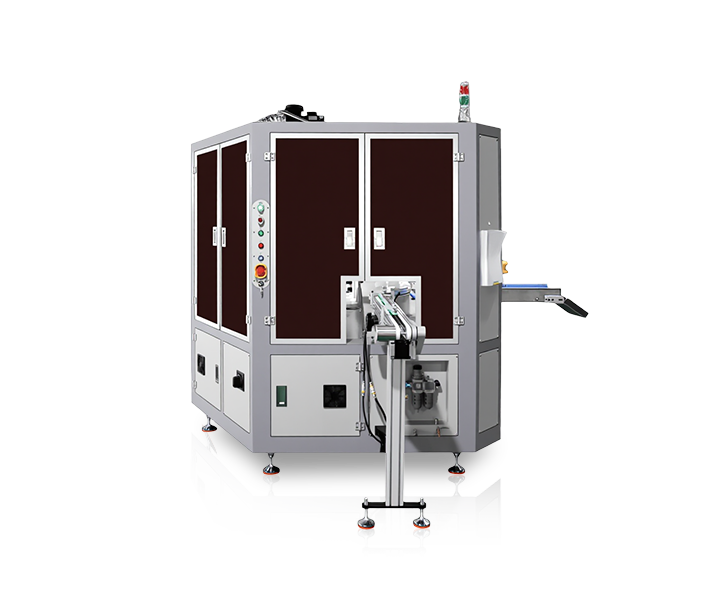
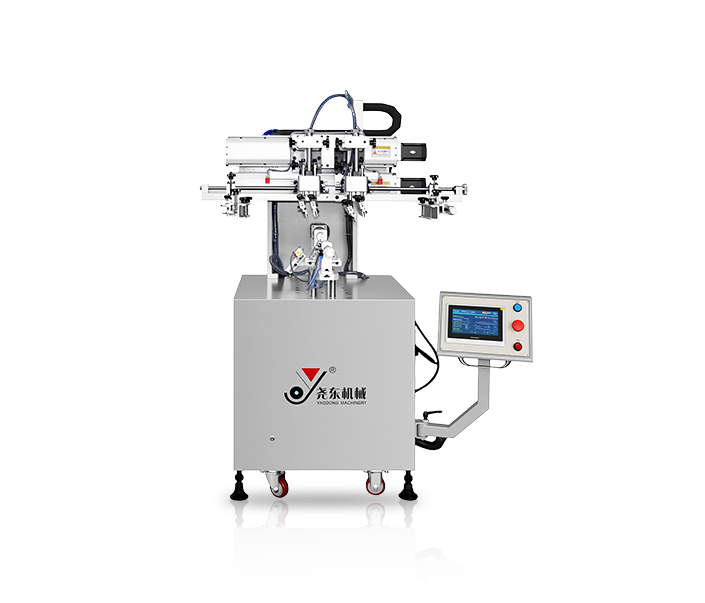
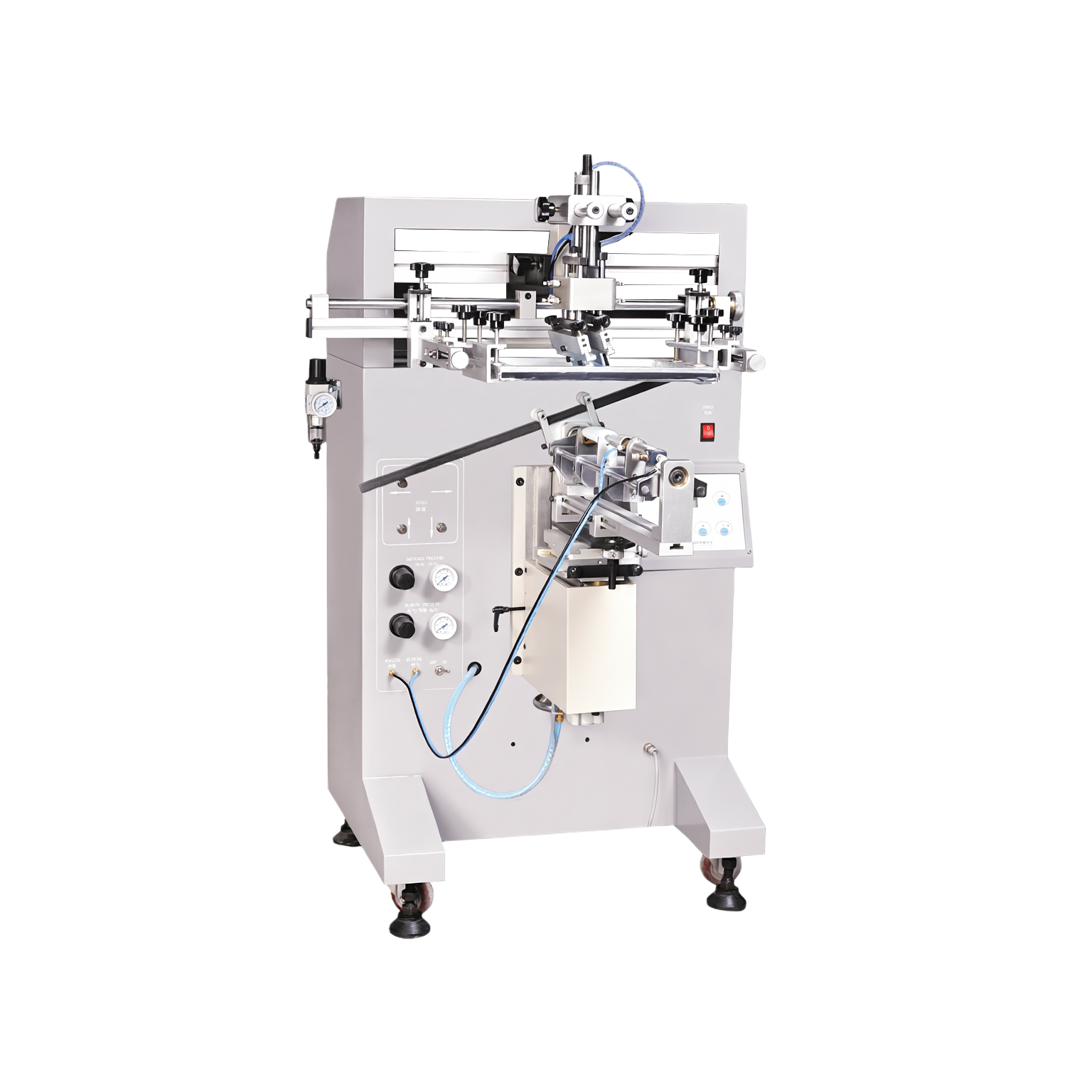
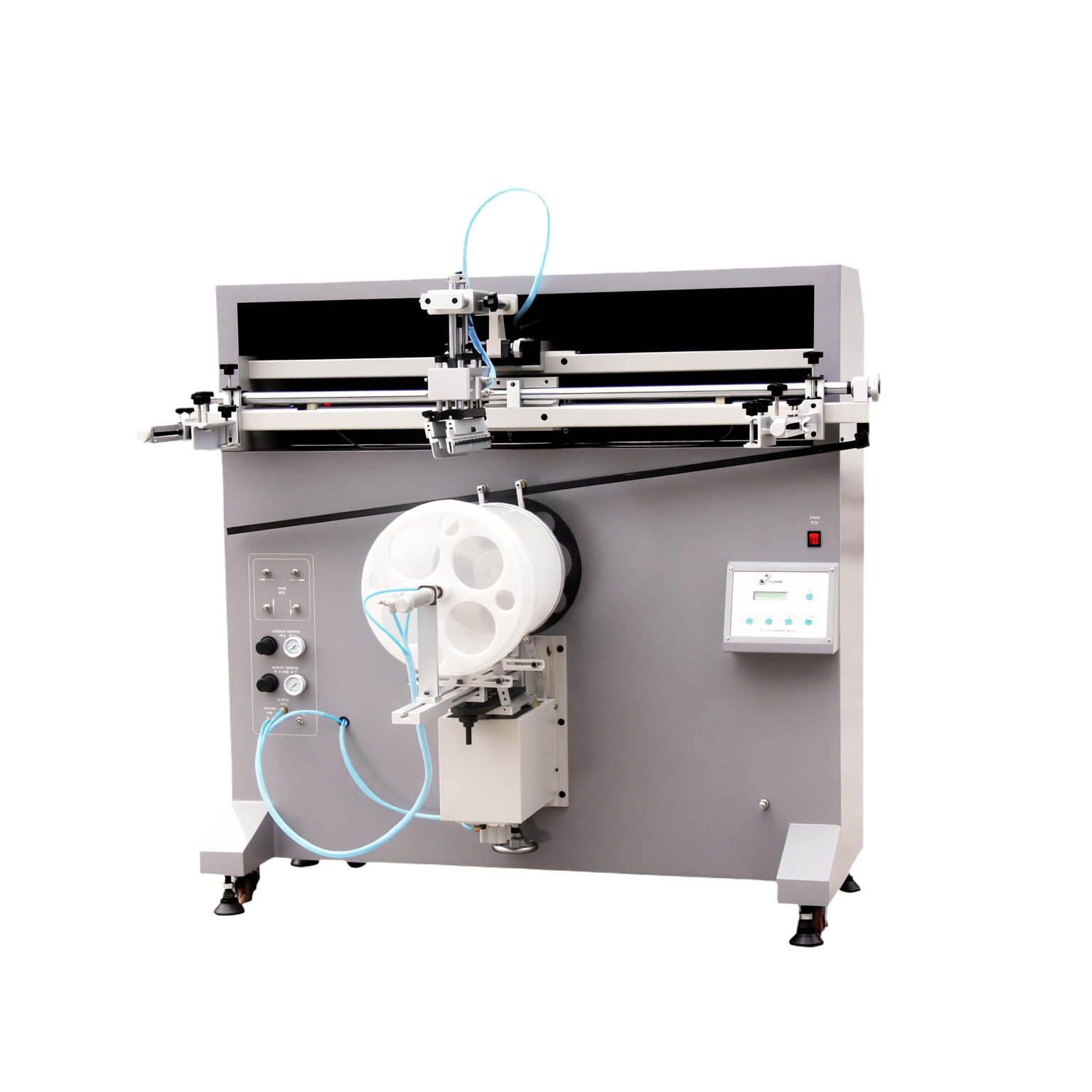
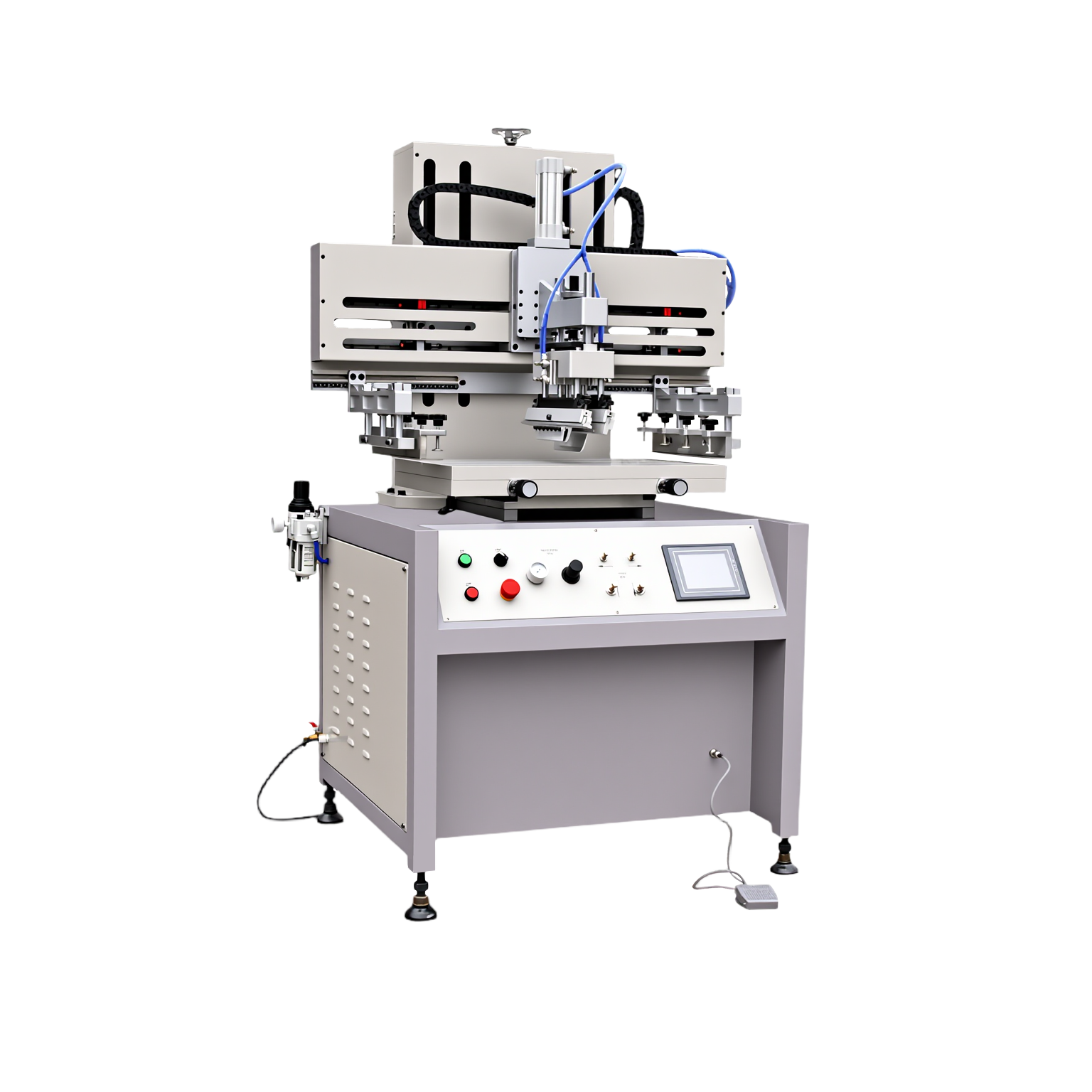
At Yaodong, our screen printing solutions integrate surface treatment options according to different product requirements, including applications for plastic bottles, cosmetic containers, tubes, and other packaging products.
The engineering goal is always the same:
Stable adhesion.
Consistent quality.
Reliable production performance.
Flame or Plasma? The Right Choice Depends on the Application
Flame treatment and plasma treatment are not competing technologies where one replaces the other.
Both are important surface activation methods used in industrial screen printing.
The best solution depends on:
Understanding the interaction between surface treatment and screen printing is the key to achieving reliable decoration results.

About Yaodong Machinery
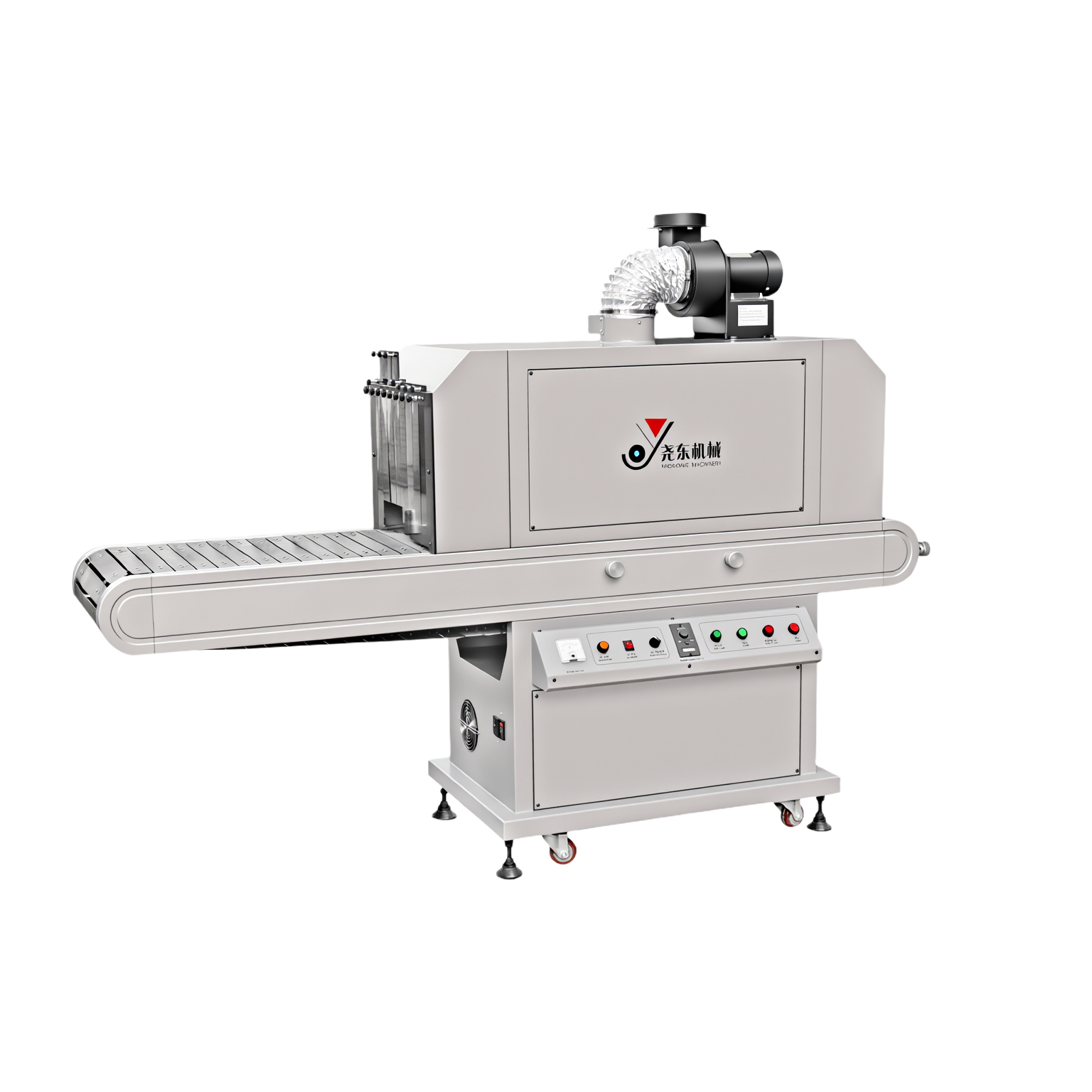
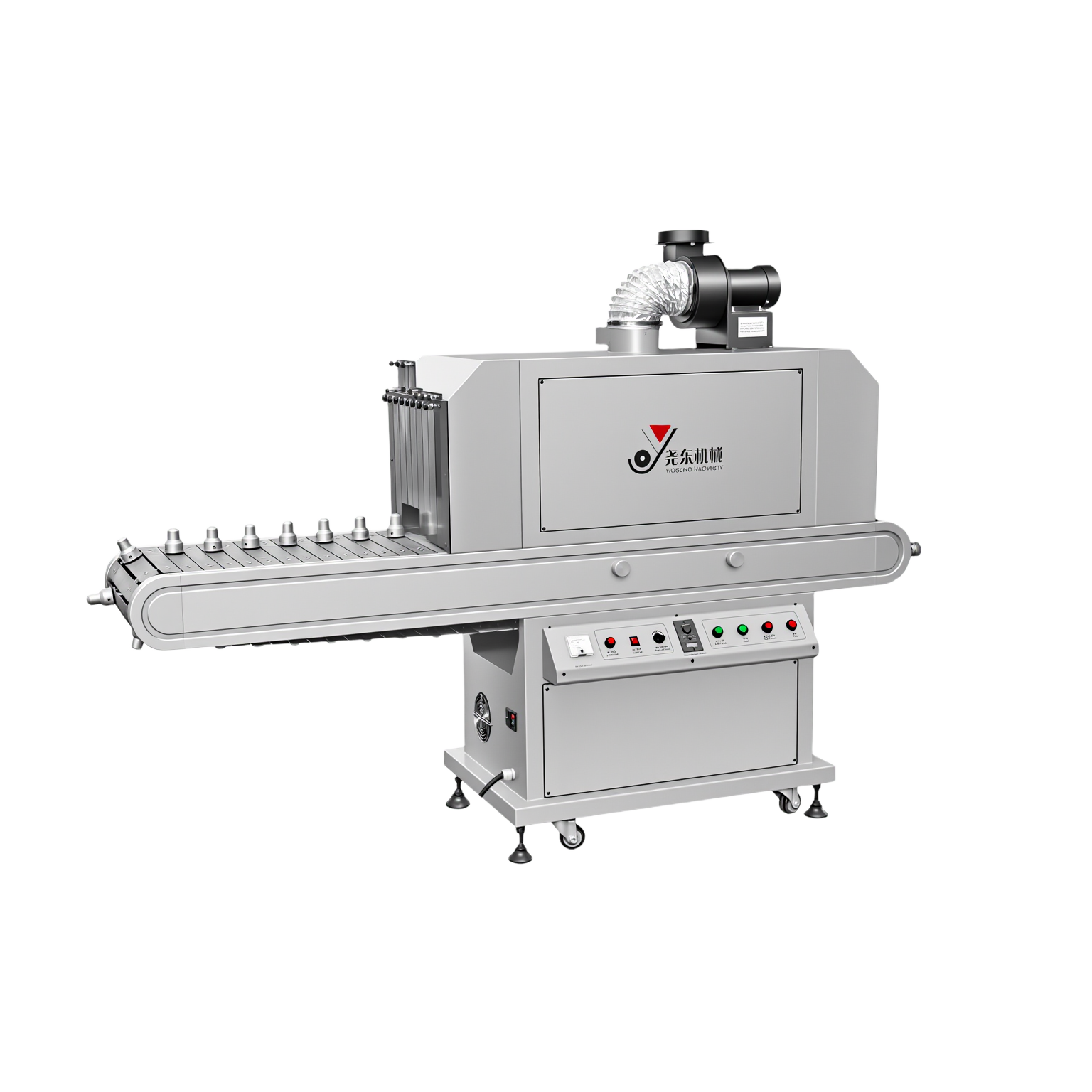
Yaodong specializes in automatic screen printing machines and integrated decoration solutions for plastic packaging, including screen printing, hot stamping, labeling, heat transfer, surface treatment, UV curing, and automation integration.
Our goal is to help manufacturers build stable and efficient packaging decoration production lines.