LED UV vs. Electronic UV Curing: Choosing the Right Solution for Industrial Screen Printing
Analyzing the impact of curing technology on print quality, energy consumption, and long-term production stability for modern packaging manufacturers.
Introduction: Why Curing Technology Matters
In the competitive landscape of industrial screen printing for packaging containers, curing technology is far from a secondary feature. It is a critical component that directly affects print quality, production stability, and overall operational overhead. Whether a manufacturer is decorating plastic, glass, metal, or ceramic containers, the choice between LED UV curing and traditional electronic UV curing can define the efficiency and environmental footprint of the entire production line.
Understanding the technical nuances, advantages, and limitations of these two technologies is essential for making informed equipment decisions. As the industry moves toward higher sustainability standards and leaner production cycles, the debate between solid-state LED systems and high-pressure mercury lamps has become central to strategic growth.
What Is Electronic UV Curing?
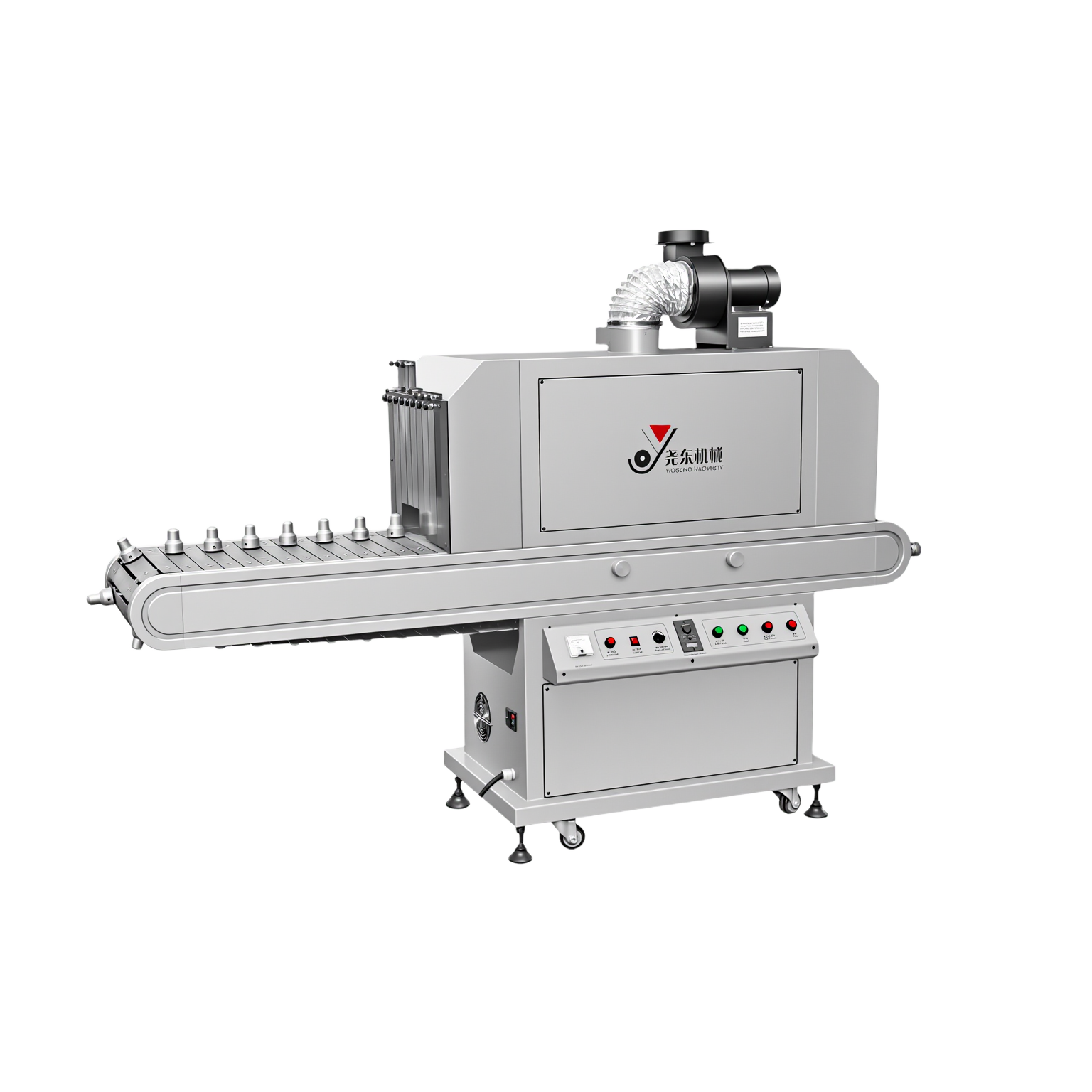
Electronic UV curing systems, commonly based on high-pressure mercury lamps, have served as the industry benchmark for decades. These systems emit a broad UV spectrum, delivering robust curing power that facilitates compatibility with a vast array of traditional inks and complex substrates.
 Broad wavelength output for versatile ink use
 Superior curing depth for thick ink layers
 Proven reliability in demanding industrial environments
What Is LED UV Curing?
LED UV curing utilizes solid-state light-emitting diodes to generate UV light at specific, narrow wavelengths. Unlike mercury-based lamps, LED units are mercury-free and convert electrical energy into UV energy with significantly higher precision and efficiency.
 Mercury-free and environmentally sustainable
 Instant on/off operation (no warm-up time)
 Minimal heat transfer to substrates
Technical Comparison Matrix
| Aspect | LED UV Curing | Electronic UV Curing |
|---|---|---|
| Light Source | LED (Solid-state) | Mercury Lamp |
| Energy Consumption | Significantly Lower | Higher |
| Heat Generation | Minimal | Significant |
| Service Life | 20,000+ Hours | 1,000 - 2,000 Hours |
| Maintenance | Low / Minimal | Frequent Bulb Replacement |
Environmental Impact and Production Efficiency
The shift toward LED UV technology is largely driven by its environmental profile. By eliminating mercury, manufacturers reduce the risk of hazardous leaks and simplify compliance with global safety regulations. Furthermore, the lower energy consumption of LED systems translates directly into reduced carbon footprints and substantial long-term savings on utility costs.
Mercury-Free
Enhanced workplace safety and eco-compliance.

Low Heat Output
Ideal for heat-sensitive plastics and thin films.

Consistent Output
Stable curing power over the entire life of the diode.
From a performance perspective, electronic UV curing remains a powerful choice for manufacturers dealing with diverse ink sets or highly opaque formulations. Its broad spectrum ensures that photoinitiators in various ink types are activated, providing flexibility that LED systems—which require specific LED-compatible inks—sometimes lack.
How to Choose the Right Technology
Select LED UV If:
- Energy efficiency and sustainability are top priorities.
- You work primarily with heat-sensitive materials.
- LED-compatible inks meet your quality standards.
- You aim to reduce maintenance downtime and costs.
Select Electronic UV If:
- A wide range of specialized ink types is required.
- Maximum curing power for thick layers is essential.
- Production flexibility outweighs energy savings.
- Existing workflows rely heavily on traditional UV inks.
Yaodong’s Approach: Flexibility by Design
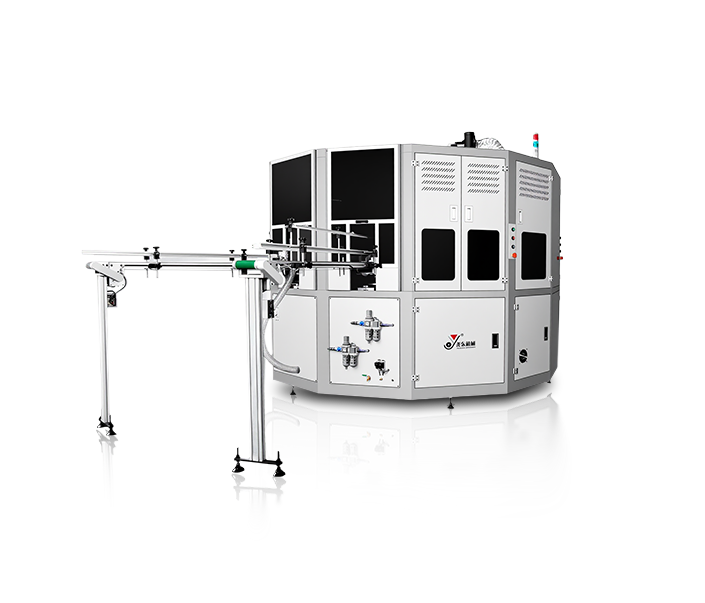
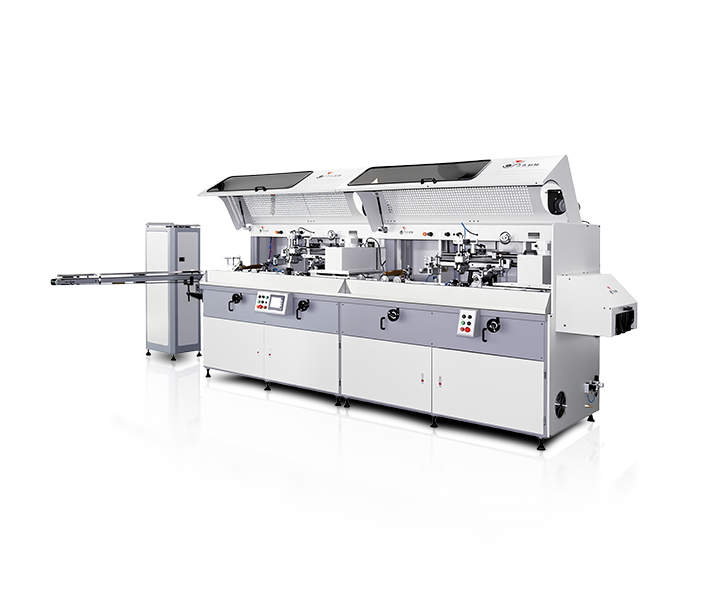
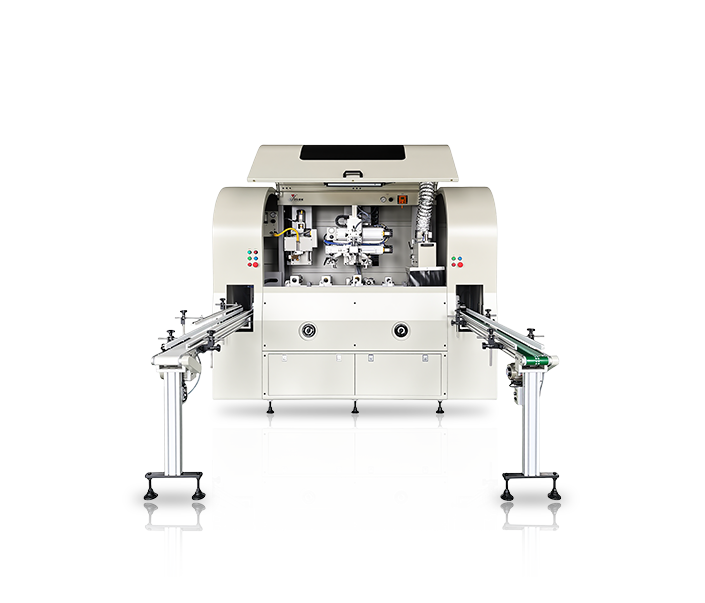
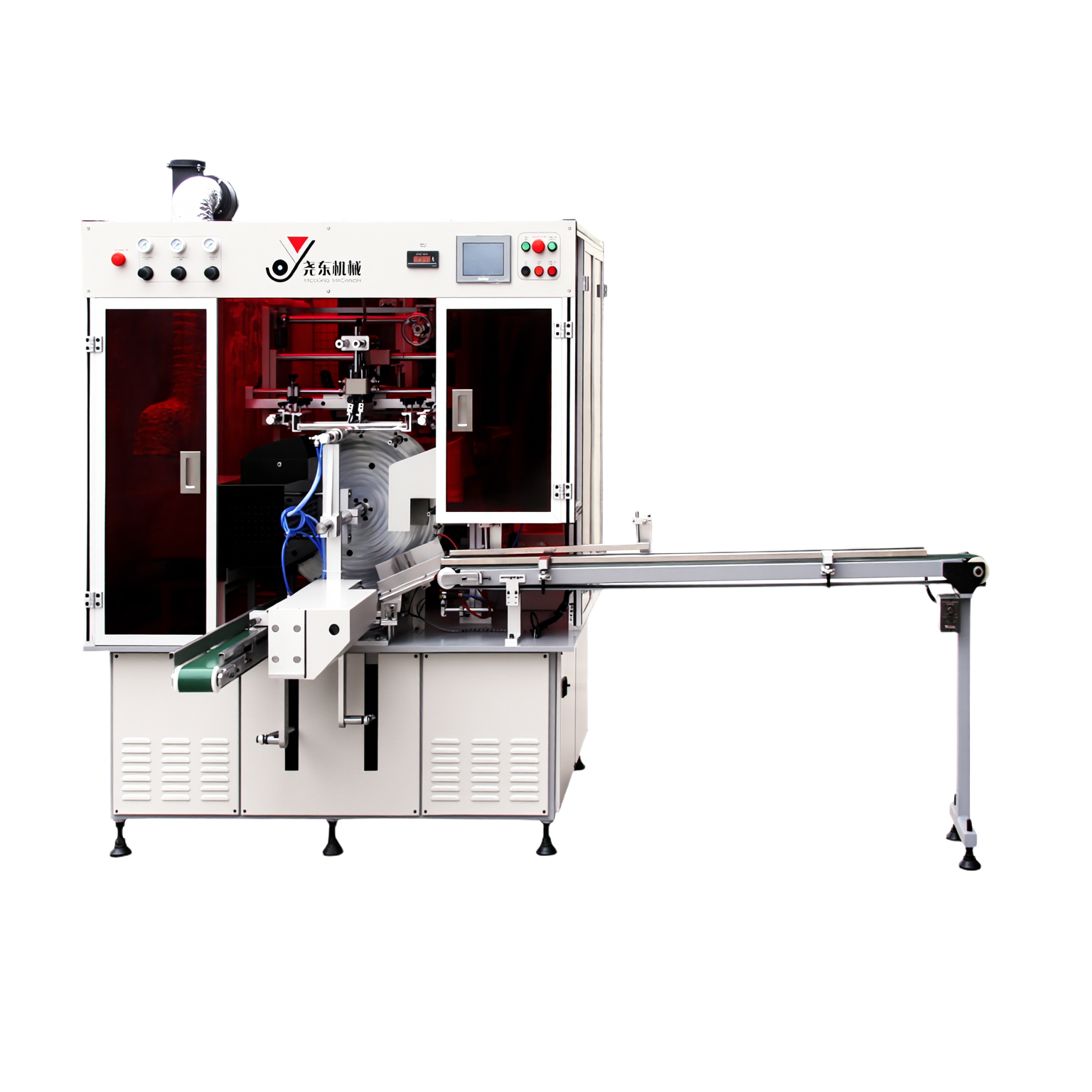
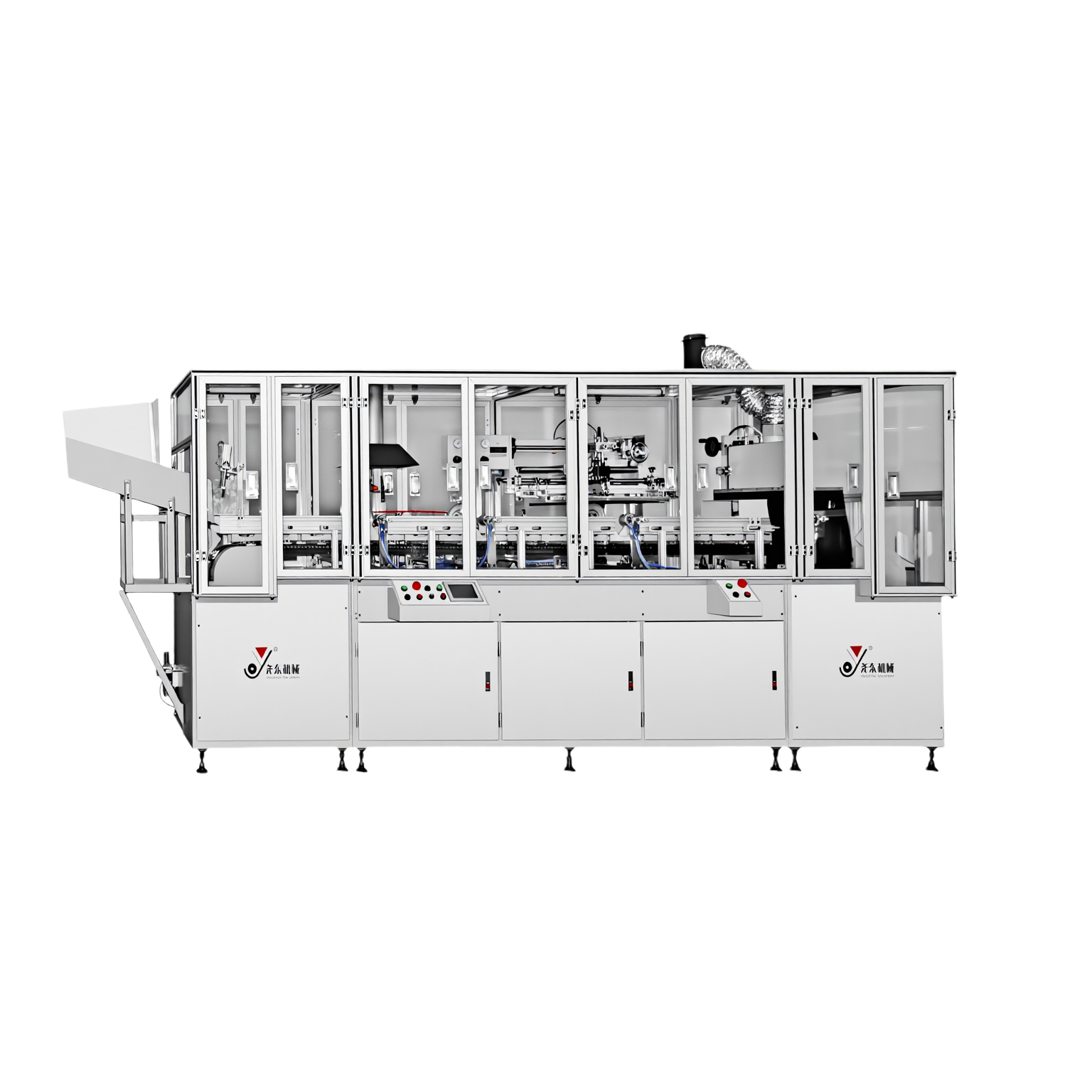
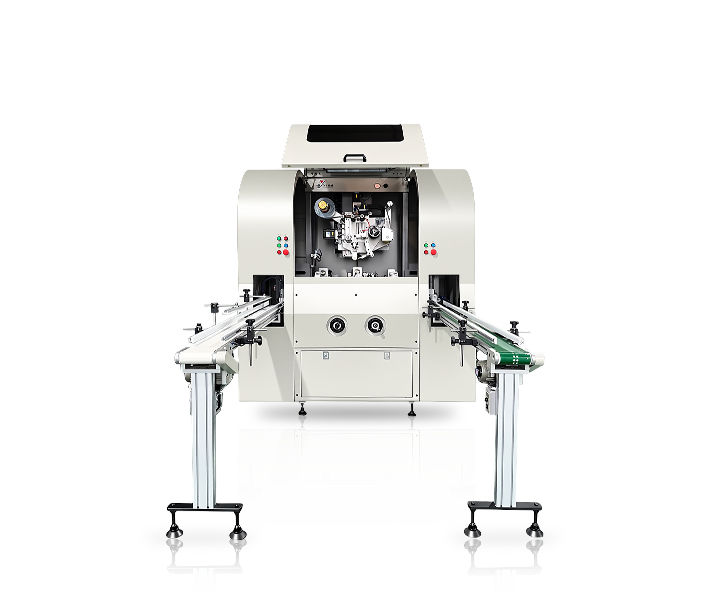
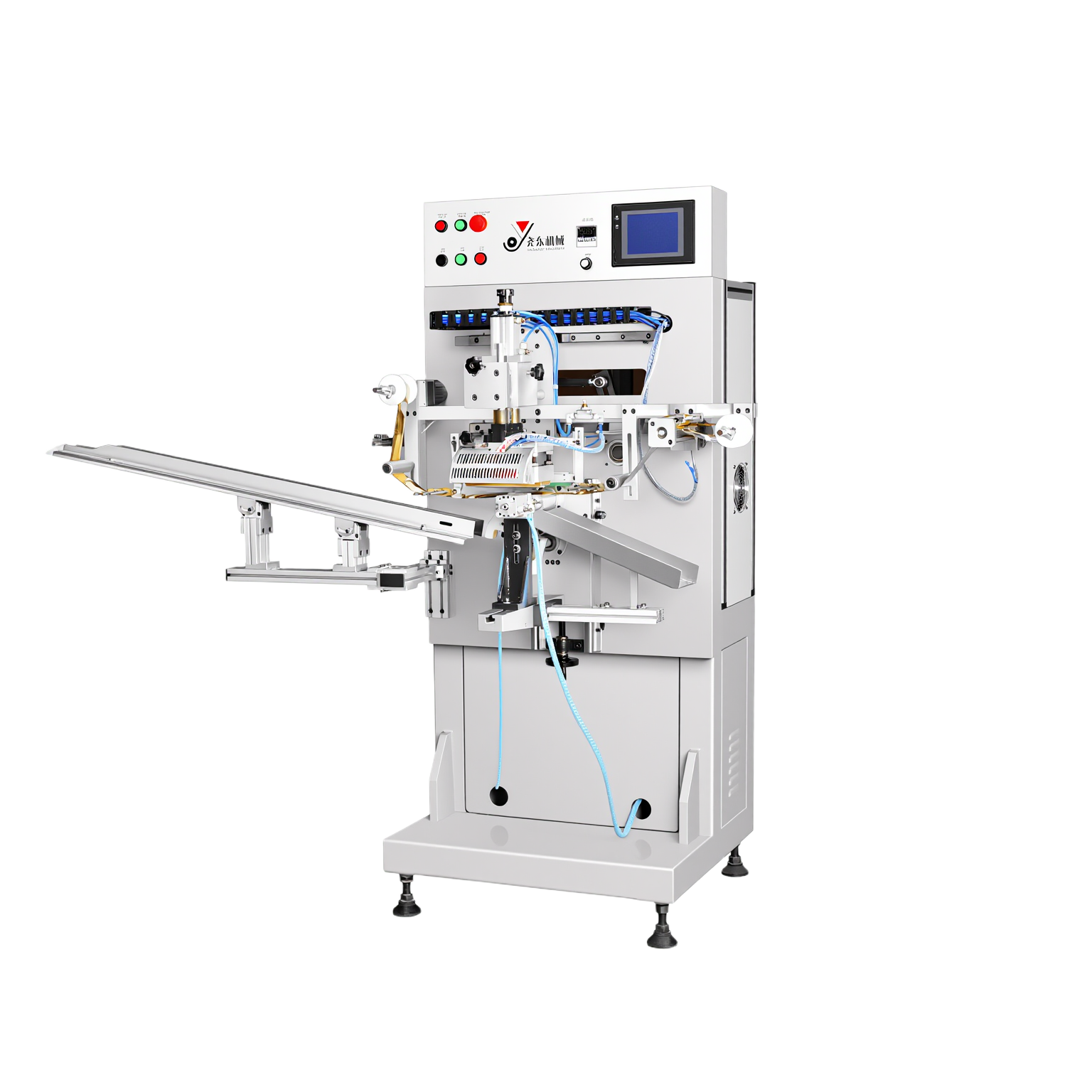
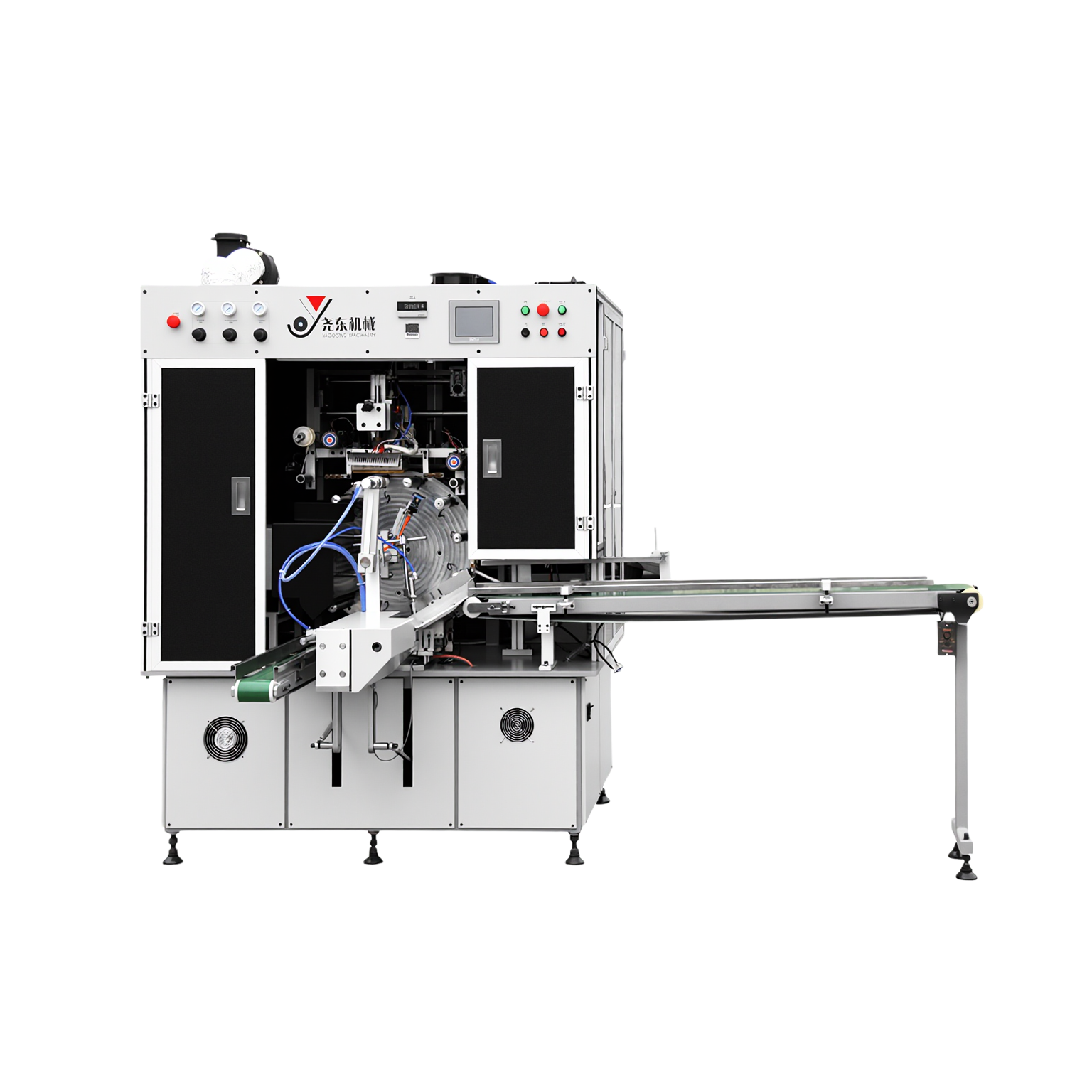
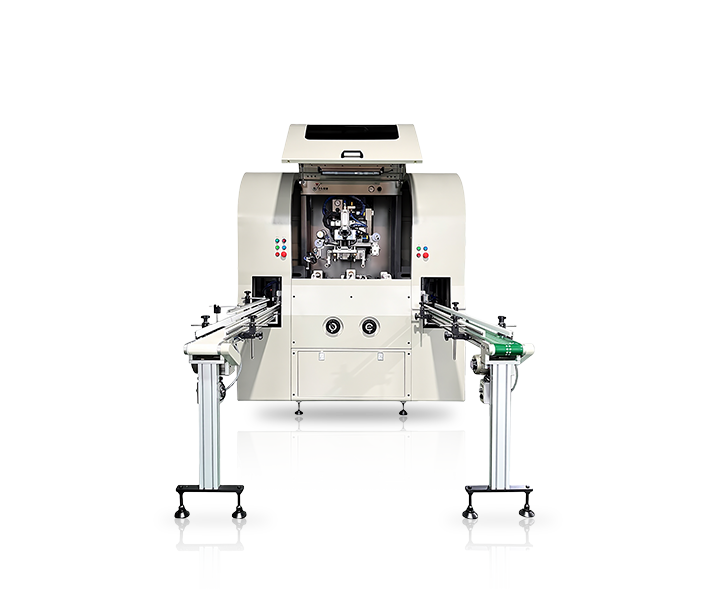
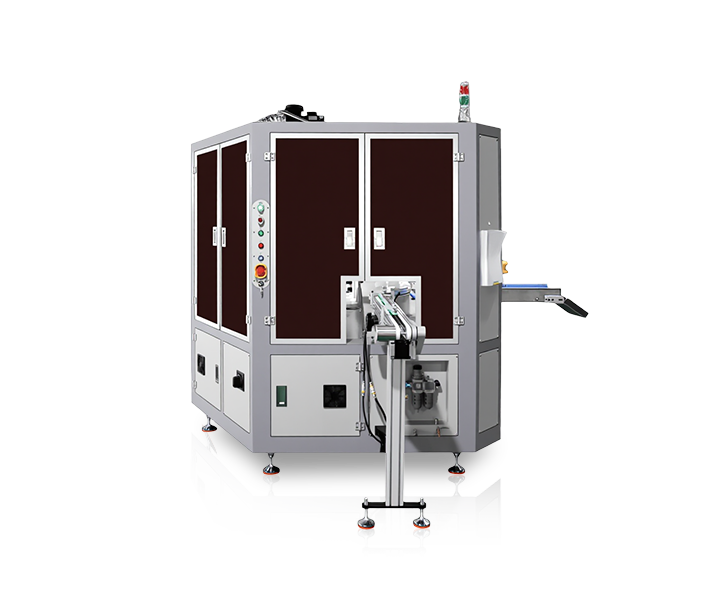
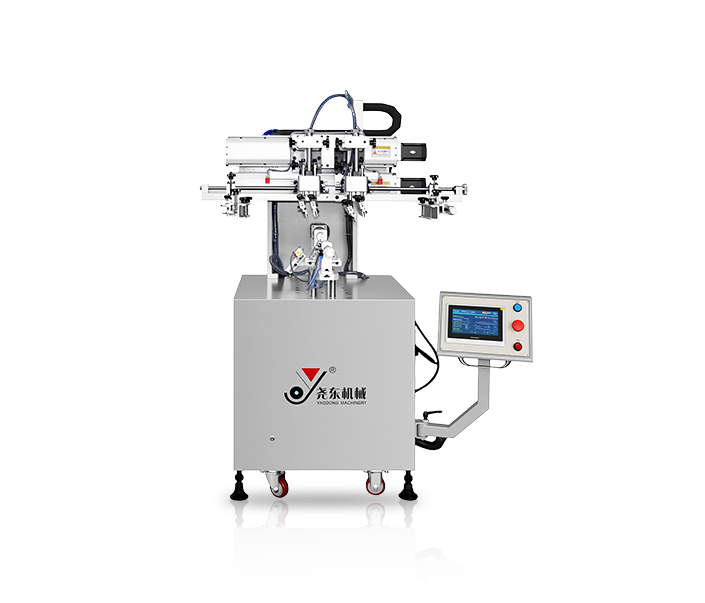
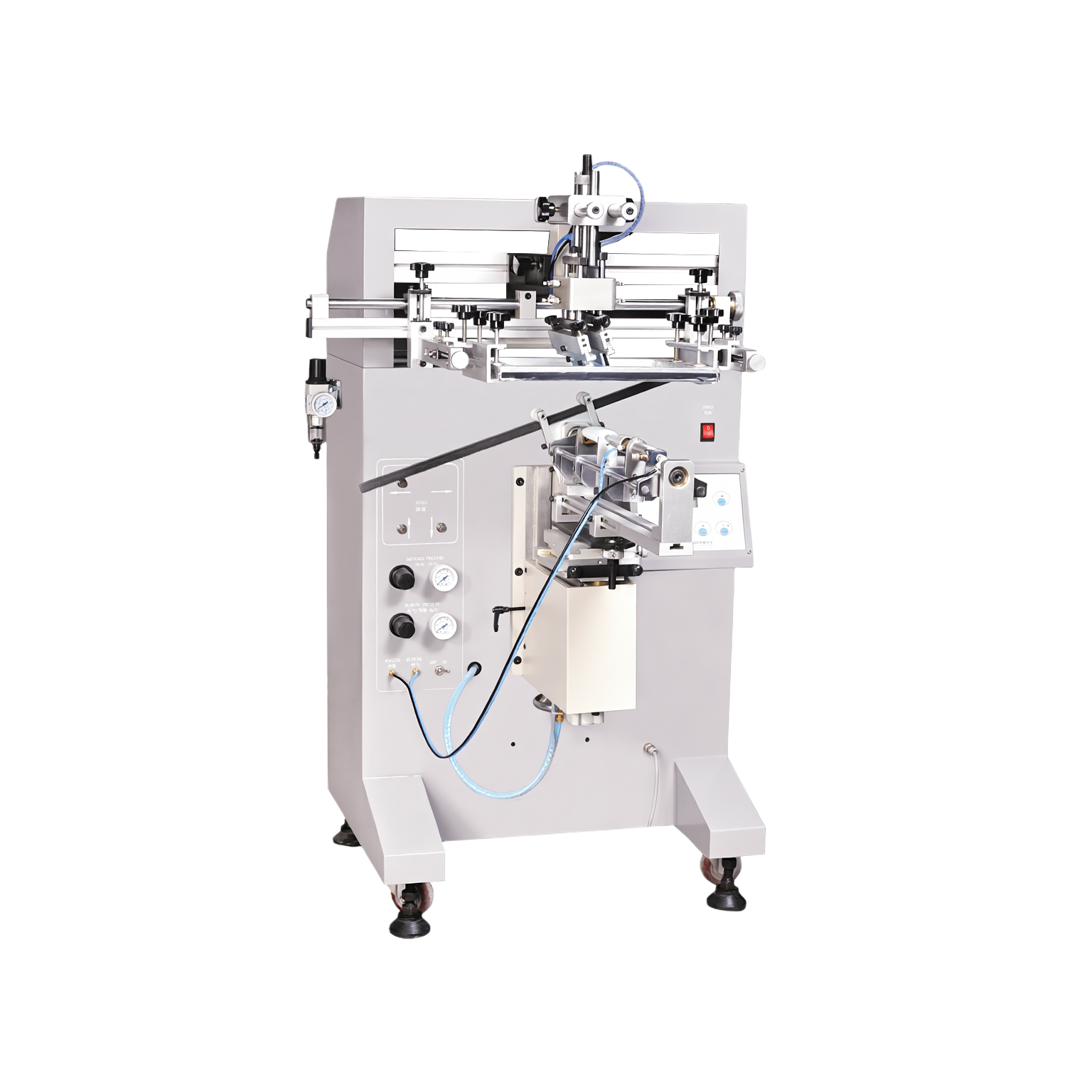
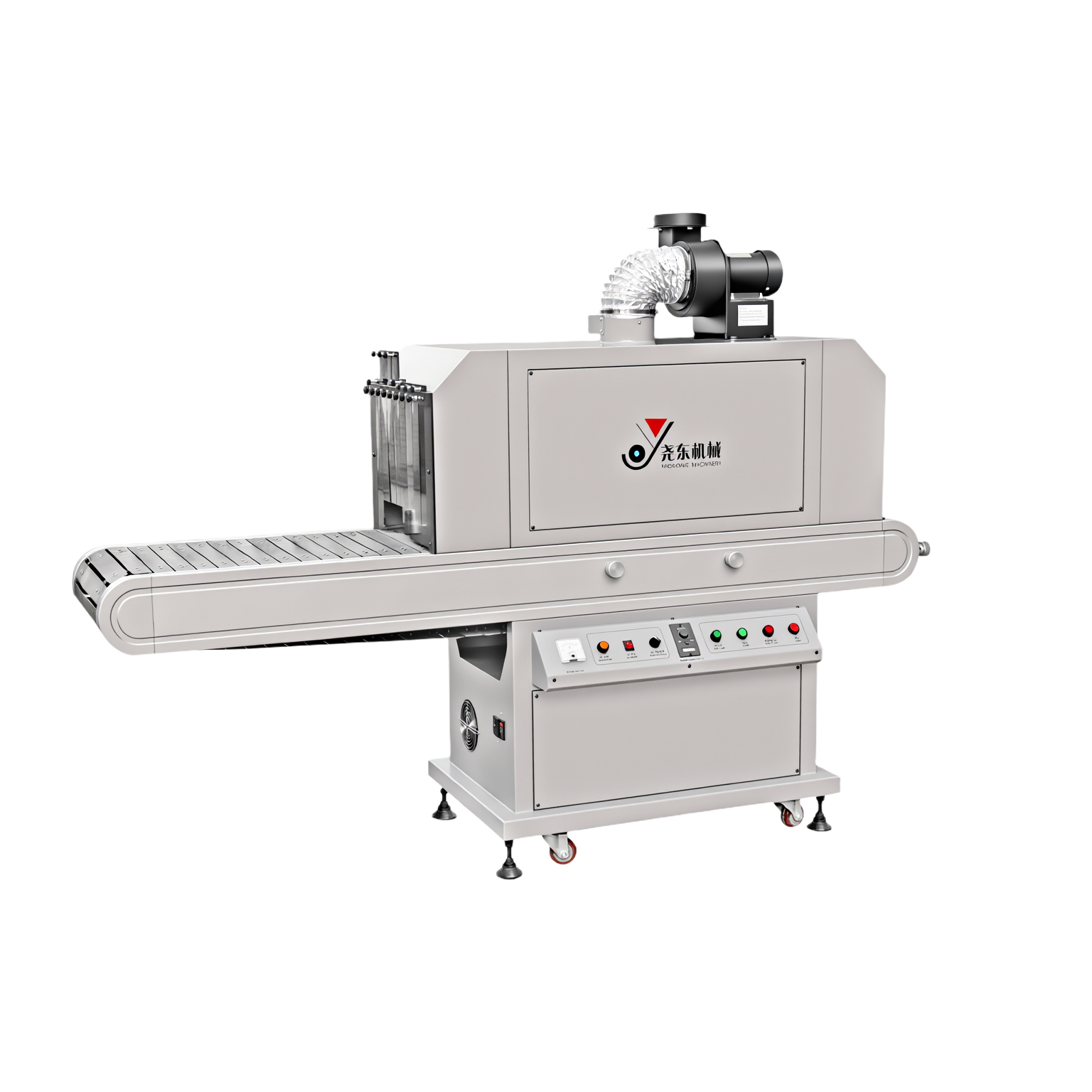
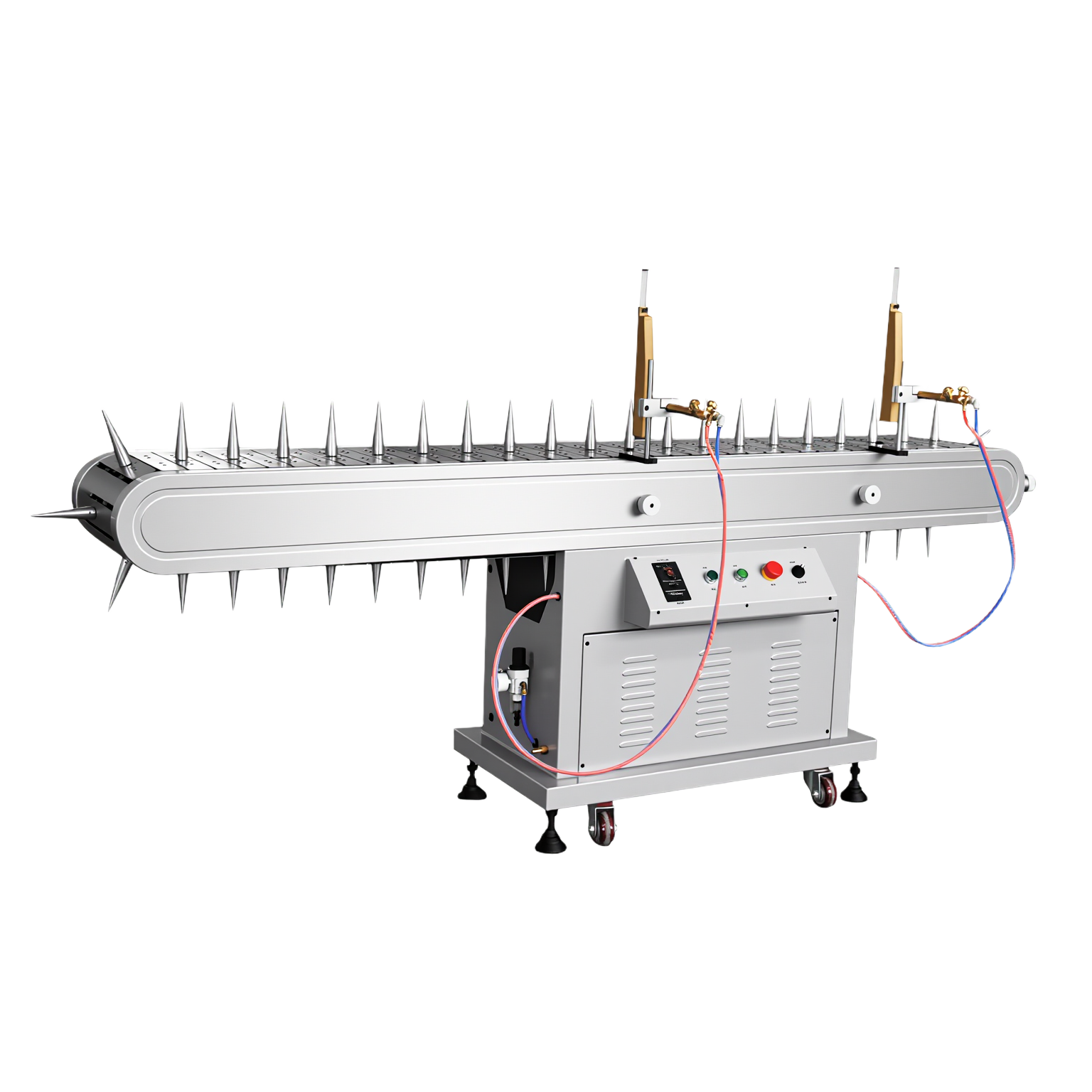
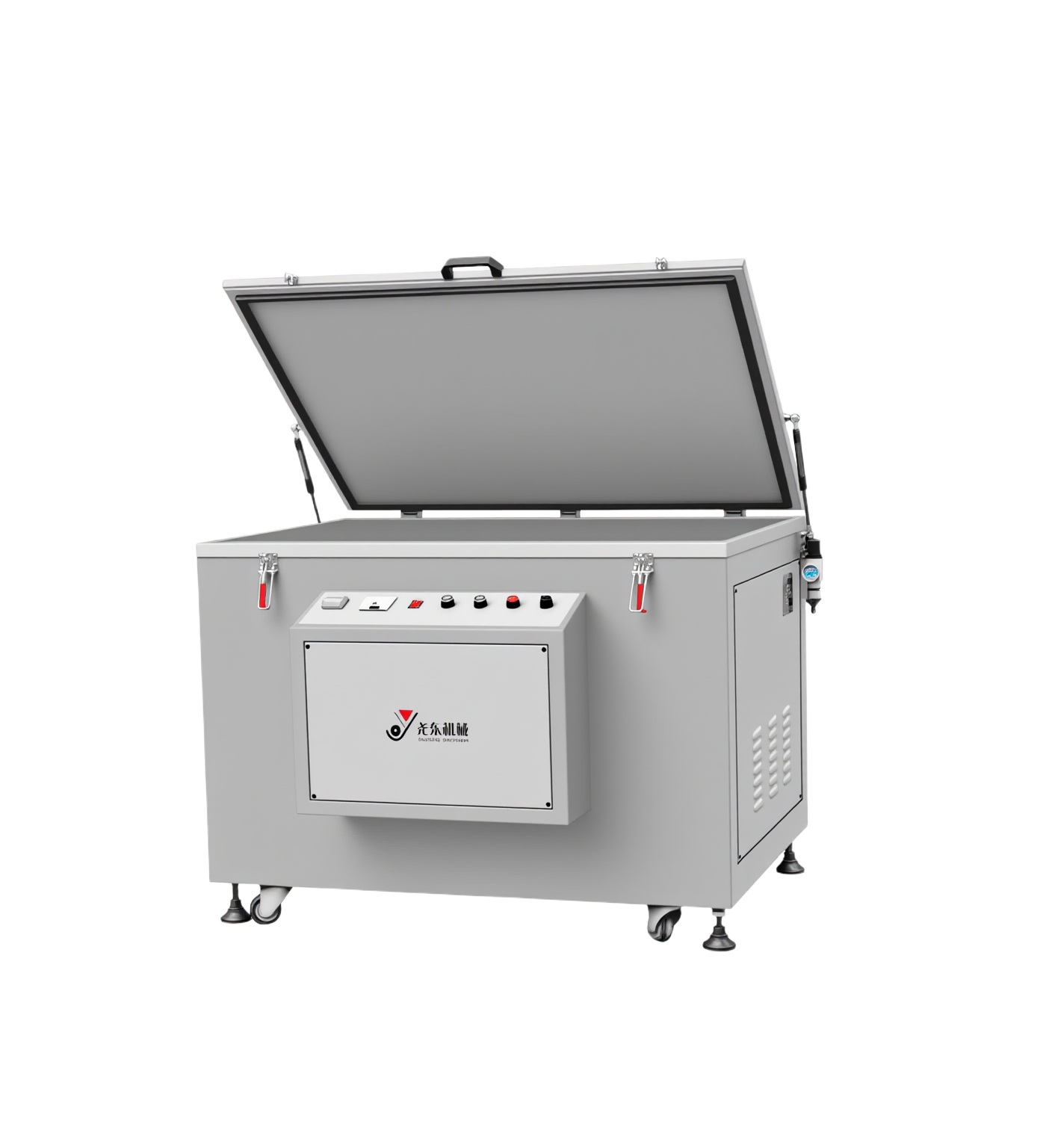
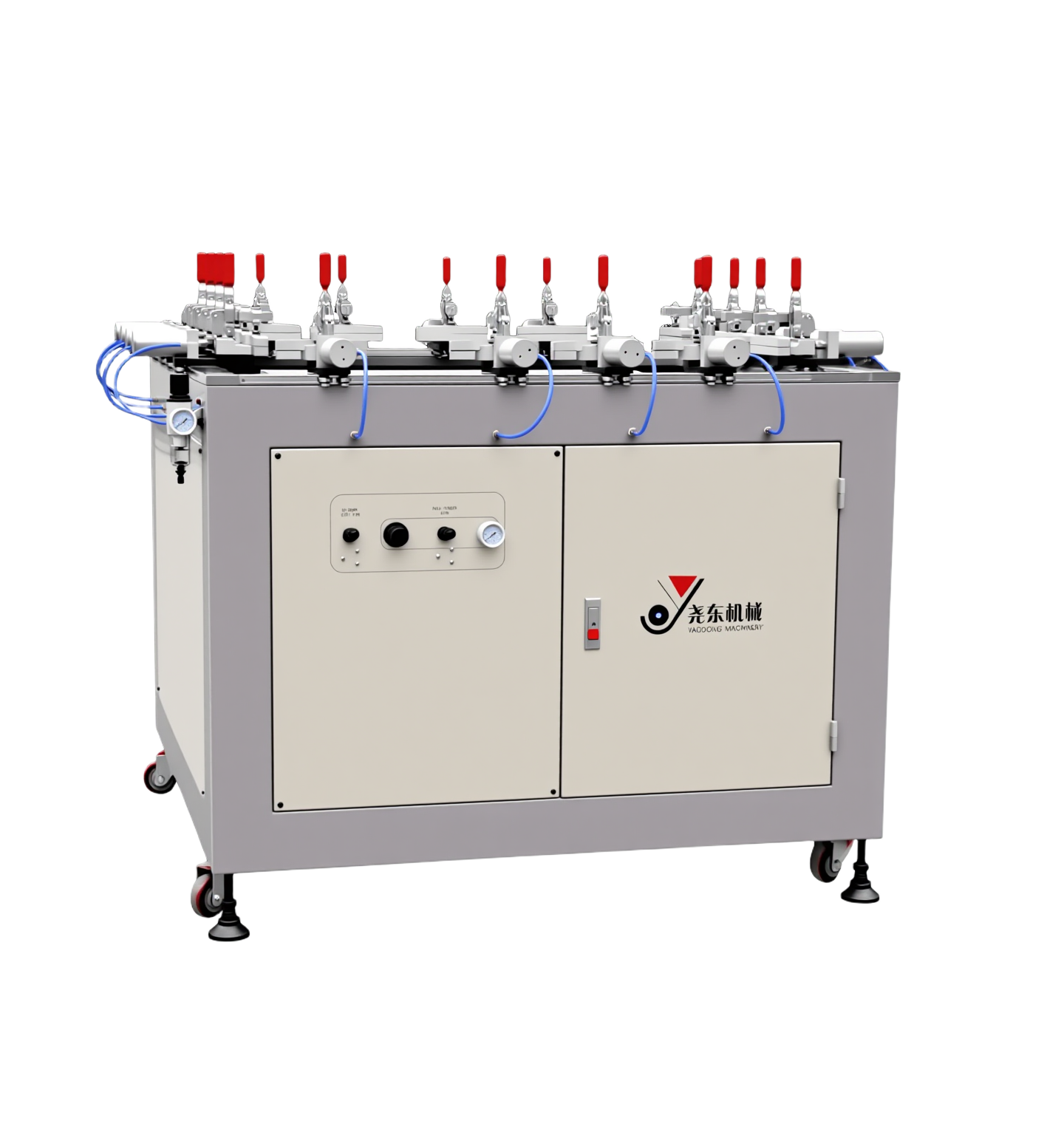
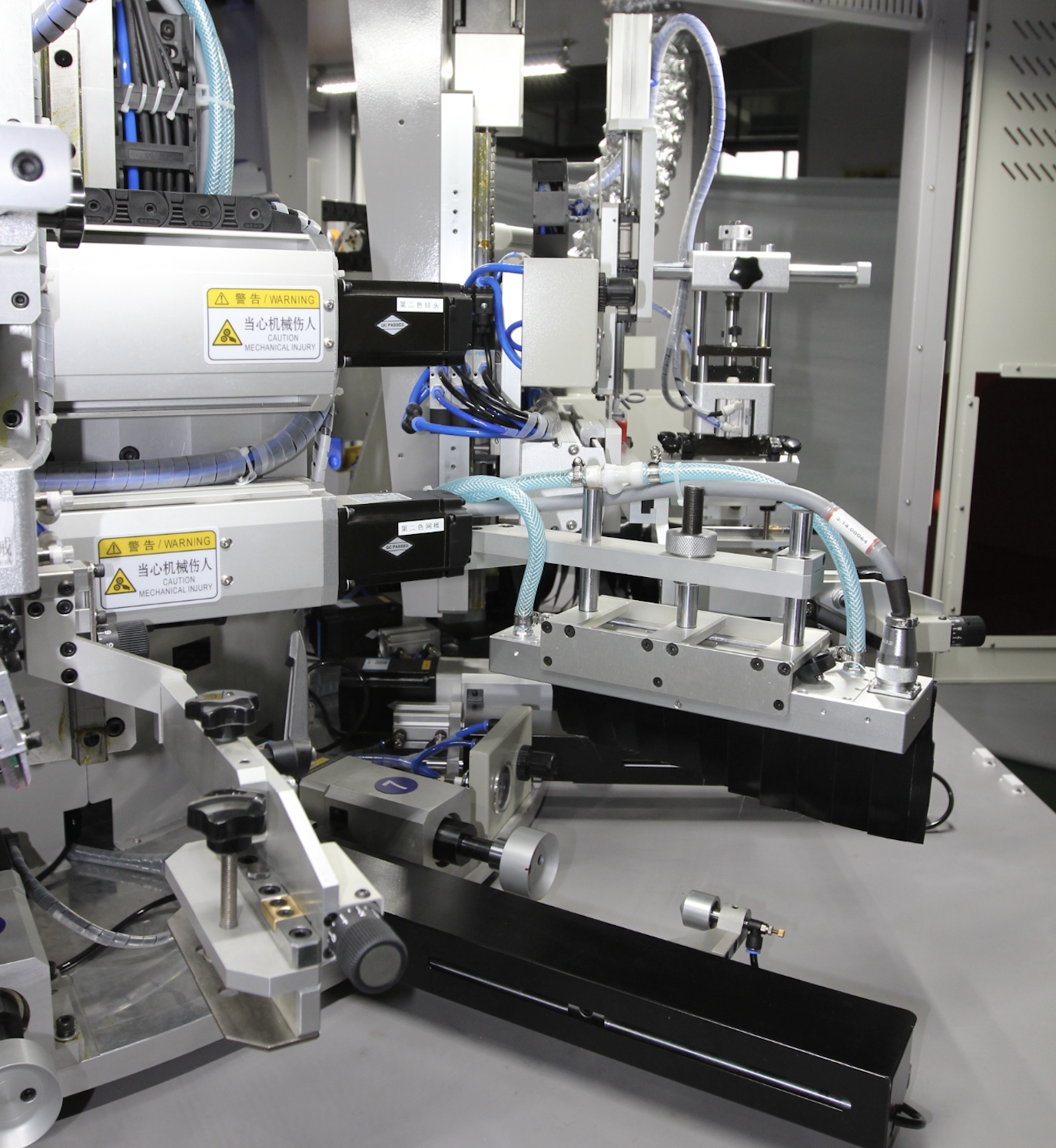
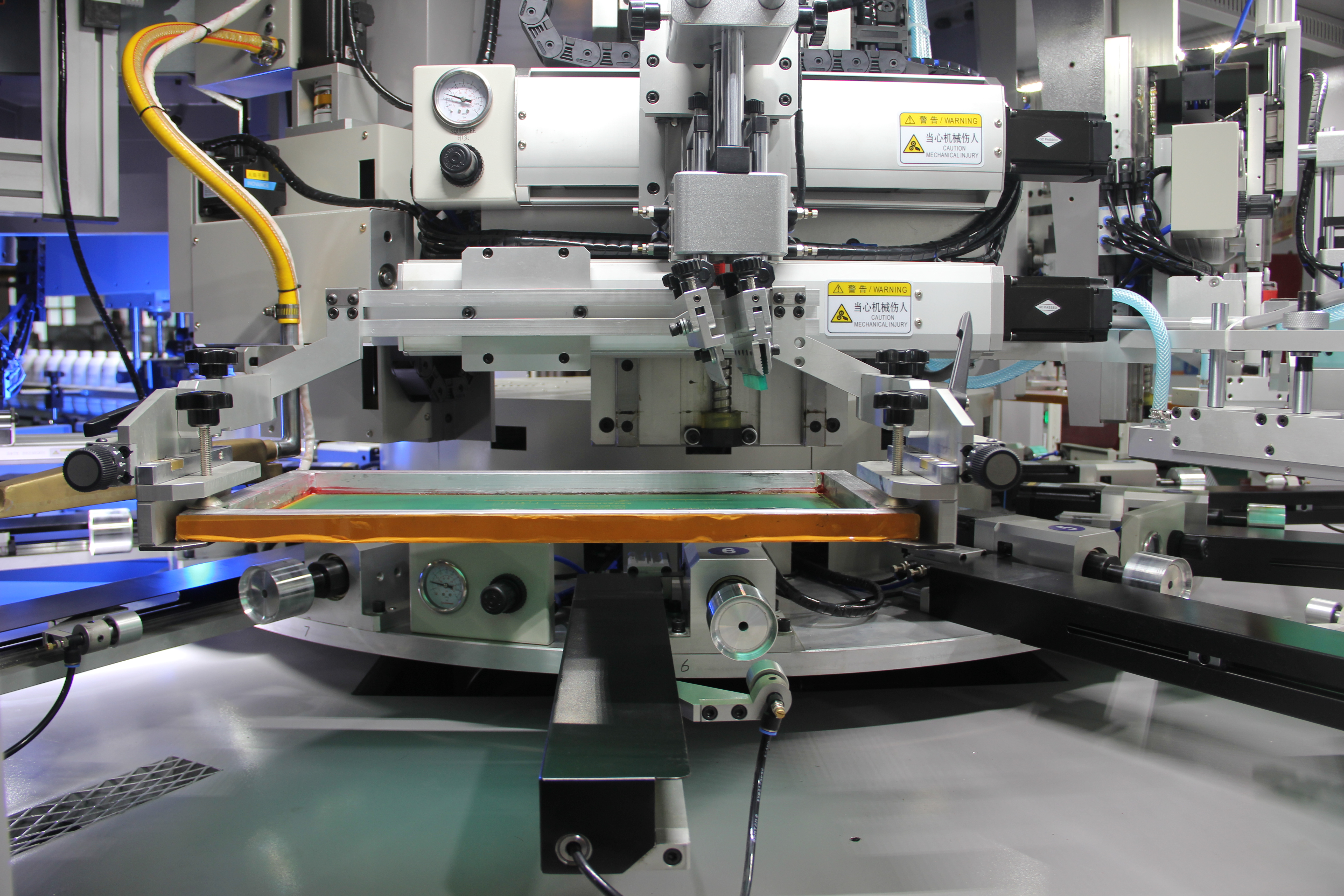
At Yaodong Machinery, we believe curing technology should adapt to your production needs—not the other way around. Our high-performance screen printing machines feature interchangeable curing stations, allowing you to switch between LED UV and electronic UV systems based on your specific application requirements.
Frequently Asked Questions (FAQ)
Q. Can LED UV curing fully replace electronic UV curing?
A. While LED UV can replace traditional systems in many standard applications, electronic UV remains preferable for certain specialized inks and very high-demand curing requirements where broad spectrum light is beneficial.
Q. Does LED UV curing affect print adhesion?
A. When paired with compatible LED-formulated inks, LED UV curing delivers adhesion and durability that are fully comparable to traditional electronic UV systems.
Q. Is LED UV suitable for all container materials?
A. LED UV is exceptionally well-suited for plastic containers due to its low heat output. However, electronic UV may still be favored for specific ceramic or metal coatings that require different energy profiles.